
Direct answer: Style men’s sterling silver jewelry by choosing one focal piece, repeating one compatible finish or shape, and keeping every item proportionate to the body and outfit. Sterling silver is a material, not a guarantee of sophistication or confidence. Fit, construction and restraint determine whether rings, chains, bracelets and earrings work together.
A practical system makes pieces reusable. Instead of buying an identical set, build around roles: one everyday anchor, one statement option and quieter supporting pieces.
Understand What Sterling Silver Means
The U.S. Federal Trade Commission explains that sterling silver contains 92.5 percent pure silver. The remaining alloy improves practical performance for jewelry. “Silver tone” and silver plating do not describe the same construction.
Use the FTC’s jewelry buying guidance to understand silver terms. Read which part is sterling when a piece includes a chain, clasp, stone, leather or coating.
Choose an Everyday Anchor
An anchor is the piece worn most often: a simple ring, moderate chain or comfortable bracelet. It should fit the wearer’s routine, clothing and safety requirements. Neutral geometry and controlled scale make an anchor easy to combine with changing focal pieces.
Compare ring proportions in men’s silver rings or chain structures in men’s silver chains. Use measurements, not image crop, to decide what qualifies as moderate.
Add One Focal Piece
A focal piece can be a carved ring, sculptural pendant, heavy bracelet or distinctive earring. Its visual weight comes from size, relief, contrast and movement. When it is large, reduce competing motifs elsewhere. One clear focal point makes detail easier to read.
A focal piece does not need to be worn daily. Reserve high profiles or heavy structures for contexts where they will not catch, collide or become uncomfortable.
Coordinate Finish Instead of Buying a Matching Set
Polished silver reflects strongly, brushed silver looks quieter and oxidized recesses emphasize relief. Repeating a similar finish can connect different shapes. Alternatively, use deliberate contrast: a polished chain with one dark sculptural ring.
Exact matching is unnecessary because lighting and wear change metal appearance. Avoid mixing so many textures that no piece establishes hierarchy.
Balance Rings Across the Hands
Start with one ring. Add another only if it does not rub adjacent bands or restrict movement. A large signet or skull ring can lead one hand while the other remains clear. Finger placement follows fit, proportion and local relationship conventions rather than universal symbolism charts.
Measure each intended finger. Wide bands can feel tighter than narrow bands, and raised designs need adequate side clearance.
Place Necklaces for the Neckline
A chain should either sit visibly in an open neckline or remain intentionally under clothing. Pendant height extends the total drop. If layering two chains, separate lengths enough to reduce tangling and keep one pendant dominant.
Verify link width, length, clasp and whether the pendant is included. A heavy pendant needs a compatible chain and bail.
Keep Bracelets and Watches From Competing
A silver bracelet can sit opposite a watch or beside it with enough separation to avoid scratches. Hard links striking a watch case create noise and wear. A heavy bracelet and large ring on the same hand may concentrate too much visual and physical weight.
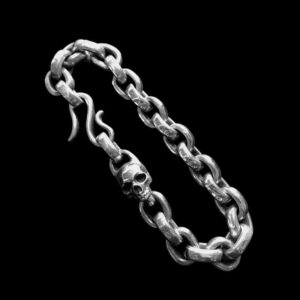
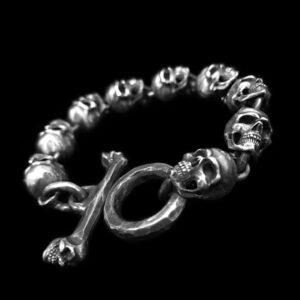
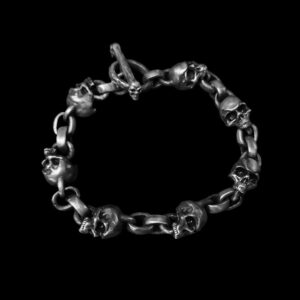
Review structures in the men’s silver bracelets collection. Measure wrist circumference and distinguish total length from inner fit.
Use Earrings as Precise Accents
Studs, hoops and drops change facial framing. Weight, post material, closure and piercing condition matter more than trend labels. Start small when the wearer is new to earrings, and do not use unverified materials in a healing piercing.
The men’s earrings collection shows different formats. Check dimensions and whether items are sold singly or as a pair.
Adapt the System to Clothing and Context
Textured workwear can support darker oxidation and heavier links. Clean tailoring often benefits from lower profiles and fewer motifs. Creative settings allow stronger contrast, while safety-sensitive work may require removing all jewelry.
Test the full combination while dressing, sitting and using a phone. Remove pieces that catch, knock together or need repeated adjustment.
Care for Silver Without Flattening Detail
Sterling silver can tarnish. Aggressive polishing can soften engraving or remove intended dark contrast. Store pieces separately, use suitable care and protect chains from tangling.
The GIA’s jewelry care guidance recommends padded storage and anti-tarnish protection for sterling. Mixed materials may require more cautious cleaning.
Build With a Deliberate Budget
Spend first on the piece that will receive the most wear and on construction details that affect comfort: secure clasps, adequate link thickness, smooth interiors and accurate sizing. A larger collection of poorly fitting pieces does not create more versatility. One dependable chain, ring or bracelet can support many outfits.
Reserve part of the budget for adjustment, inspection and appropriate storage. Stones, plating, complex hinges and articulated links may require different maintenance. Review returns before choosing a highly specific size or personalized design.
Know When Not to Layer
Layering is optional. Skip it when hard pieces strike each other, when several closures collect at the same point, or when clothing already supplies strong texture. A single well-proportioned object can communicate more clearly than multiple motifs competing for attention.
Also remove jewelry for rotating equipment, lifting, contact sport and situations where a chain or ring can snag. Style should never override workplace guidance or physical safety.
FAQ
Should all sterling silver jewelry match exactly?
No. Repeat one finish, line or level of visual weight rather than buying an identical set.
How many pieces should a man wear?
There is no fixed number. One focal piece with one or two quieter supports is a useful starting point.
Can polished and oxidized silver be mixed?
Yes, when the contrast is deliberate and one finish remains visually dominant.
Does sterling silver require care?
Yes. It can tarnish and scratch, so use suitable cleaning and separate storage.
Can sterling silver jewelry be worn every day?
Yes, when fit and construction suit the activity. Remove it for hazards, hard impact and harsh chemicals.


MENSSKULL Journal Notes
Leave a field note
Share fit notes, styling ideas, care questions, or your experience with MENSSKULL silver jewelry.
Comments are checked before publication so buyers can read useful fit, symbolism, care, and style notes without spam noise.
The simple plus/minus challenge below helps block automated spam while keeping the experience lightweight.
Continue exploring
More MENSSKULL stories
Handcrafted silver
Shop the pieces behind the stories