Hey everyone
I’ve noticed a lot of questions lately about ring-wearing etiquette—especially from folks who are new to accessorizing or confused by conflicting cultural norms. As someone who’s obsessed with jewelry history and modern styling, I wanted to break down the unspoken rules, the symbolism behind them, and why sometimes it’s okay to ignore tradition altogether. Let’s dive in.
Part 1: The Left vs. Right Hand Debate
Traditionally, the left hand has been the default for wedding and engagement rings in Western cultures. This dates back to ancient Roman and Egyptian beliefs that the left ring finger houses the “vena amoris” (vein of love), directly connecting to the heart. But here’s the kicker: this isn’t universal. In many Eastern European, Orthodox Christian, and Latin American cultures, the right hand is preferred for wedding bands.

Why does this matter today?
-
Practicality: If you’re right-handed, wearing rings on your left hand protects them from damage during daily tasks (writing, cooking, etc.).
-
Cultural sensitivity: Working or traveling abroad? Research local norms. For example, in Spain, a wedding ring on the right hand signals marital status .
-
Personal branding: Want to stand out? Mix cultural cues. I’ve met people who wear a family heirloom on the left and a modern statement piece on the right.
Pro tip: If you’re unsure, default to the left for formal occasions (like weddings) and experiment with the right for casual wear.
Part 2: What Each Finger Symbolizes(and Why It’s Not Set in Stone)
Let’s decode the hidden meanings of each finger. Spoiler: These “rules” are more fluid than you think.
-
Thumb:
-
Tradition: Historically, thumb rings symbolized wealth or authority (think medieval signet rings). In some Asian cultures, they’re associated with professional status.
-
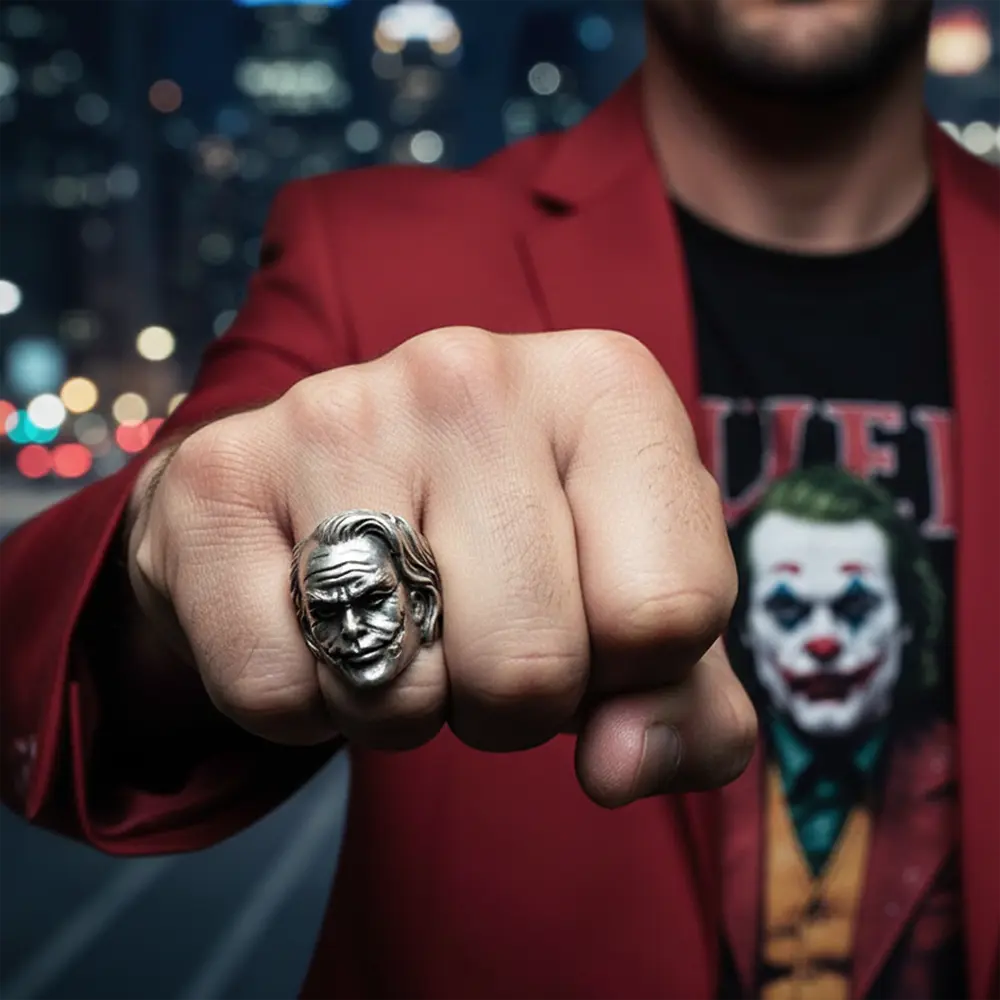
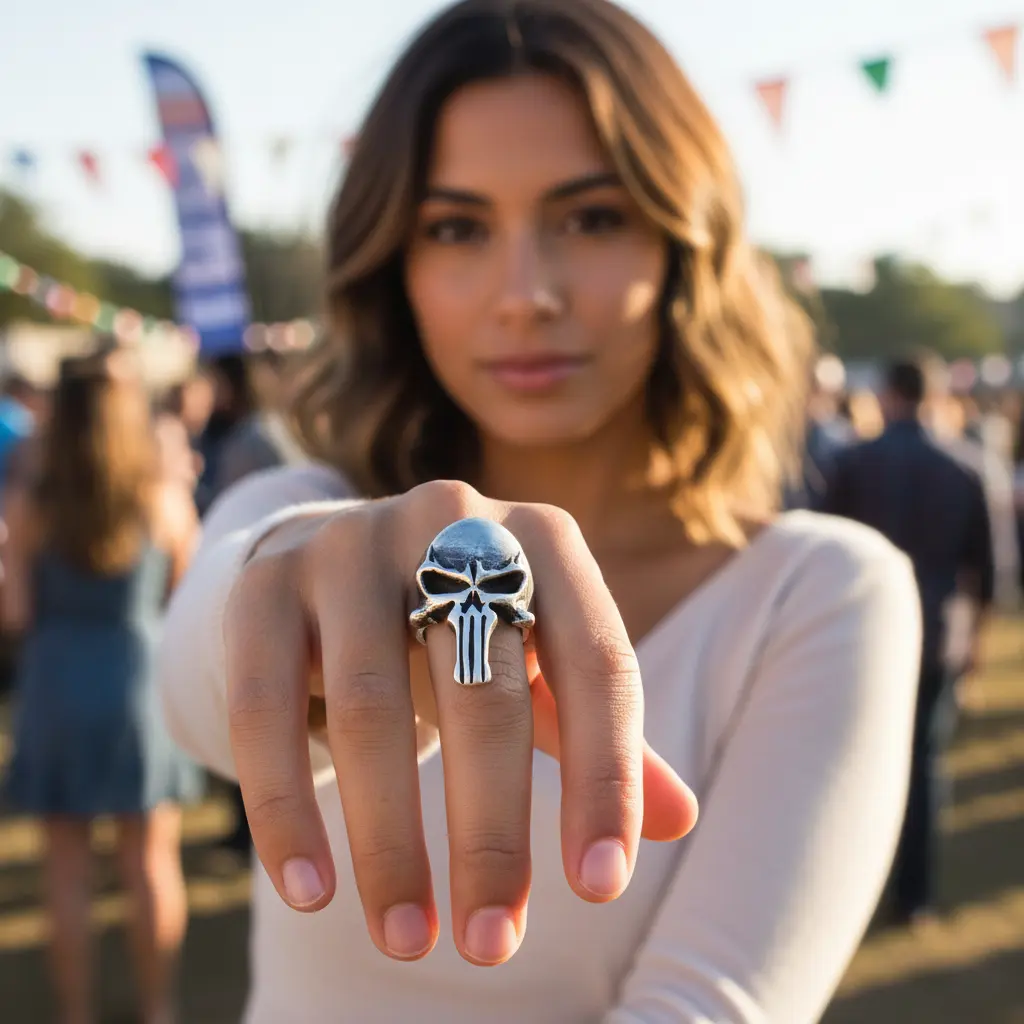
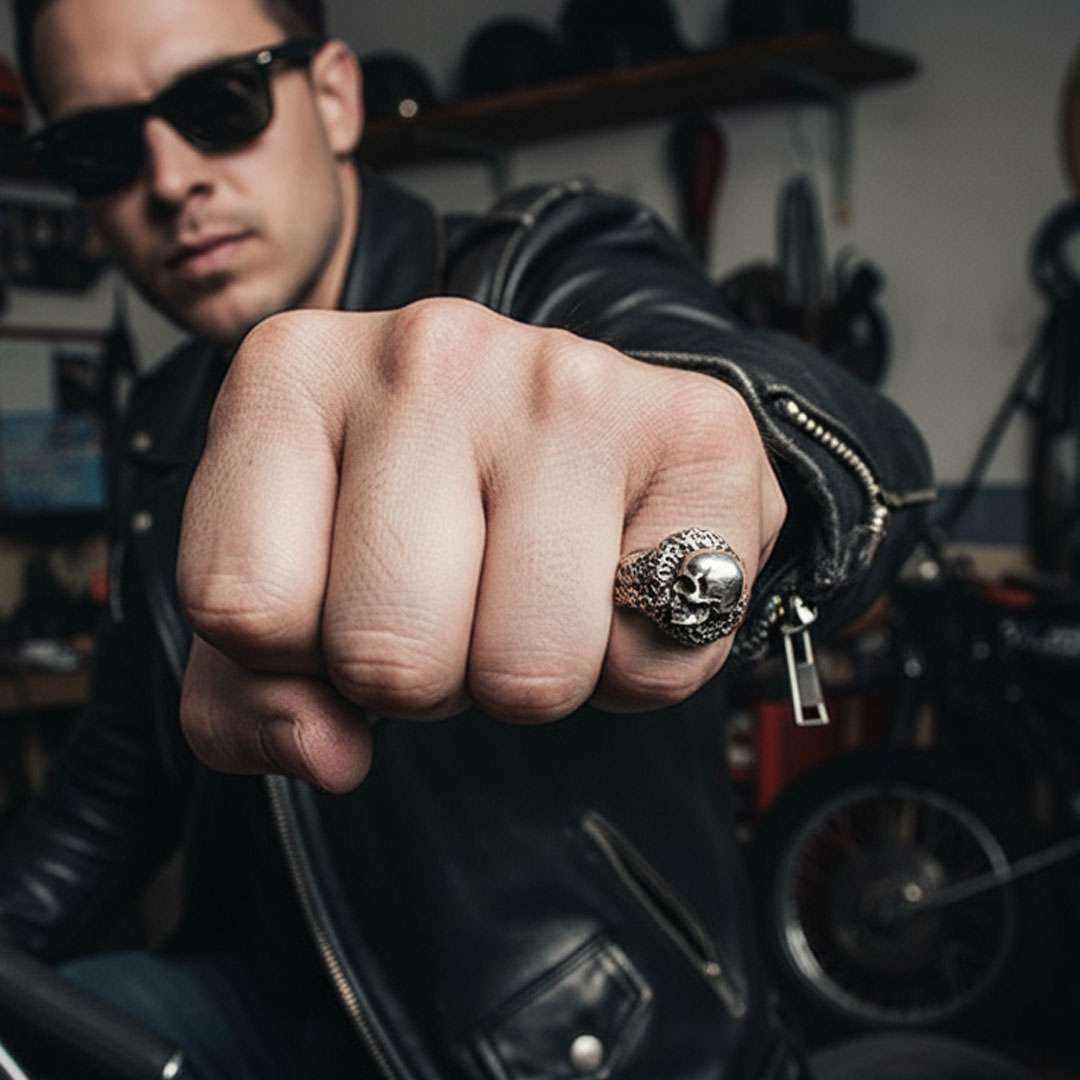
Modern twist: Thick, bold thumb rings are trending in streetwear. Try a chunky silver band for a rebellious vibe.
-
-
Index Finger:
-
Tradition: The “power finger.” In the 19th century, signet rings here denoted family lineage. Fraternities and clubs still use it for membership symbolism.
-
Modern twist: Stack minimalist rings here for a subtle statement. Bonus: It’s the most visible finger during hand gestures.
-
-
Middle Finger:
-
Tradition: Represents balance and responsibility. Rarely used for romantic symbolism.
-
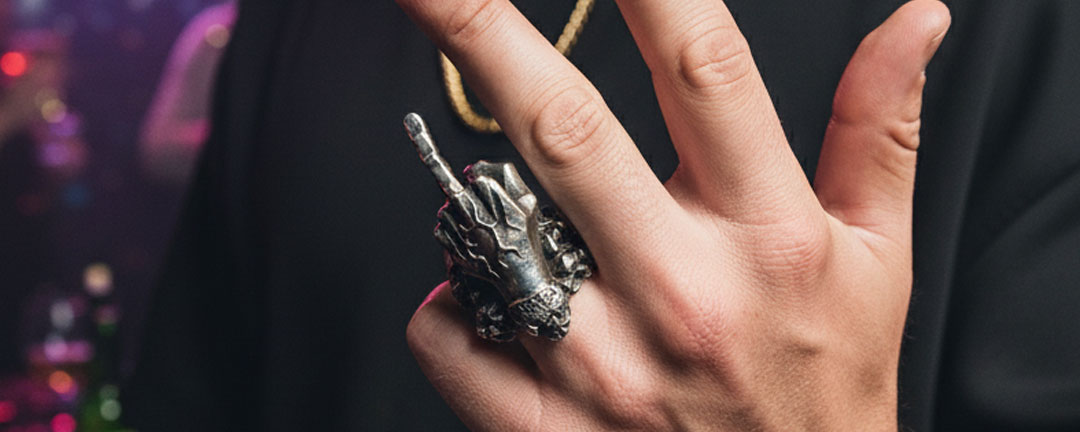
Modern twist: Ideal for oversized designs (think Art Deco geometric shapes) since it’s the largest finger.
-
-
Ring Finger:
-
Tradition: The ultimate romantic symbol. Wedding/engagement rings dominate, but in China, a ring here can also signify engagement (not marriage).
-
Modern twist: Break the taboo! Layer a delicate eternity band with an edgy spike ring. Just avoid mimicking a traditional wedding band unless you’re actually married.
-
-
Pinky Finger:
-
Tradition: Associated with intuition and negotiation (ever heard of “pinky swear”?). In some cultures, pinky rings indicated membership in secret societies.
-
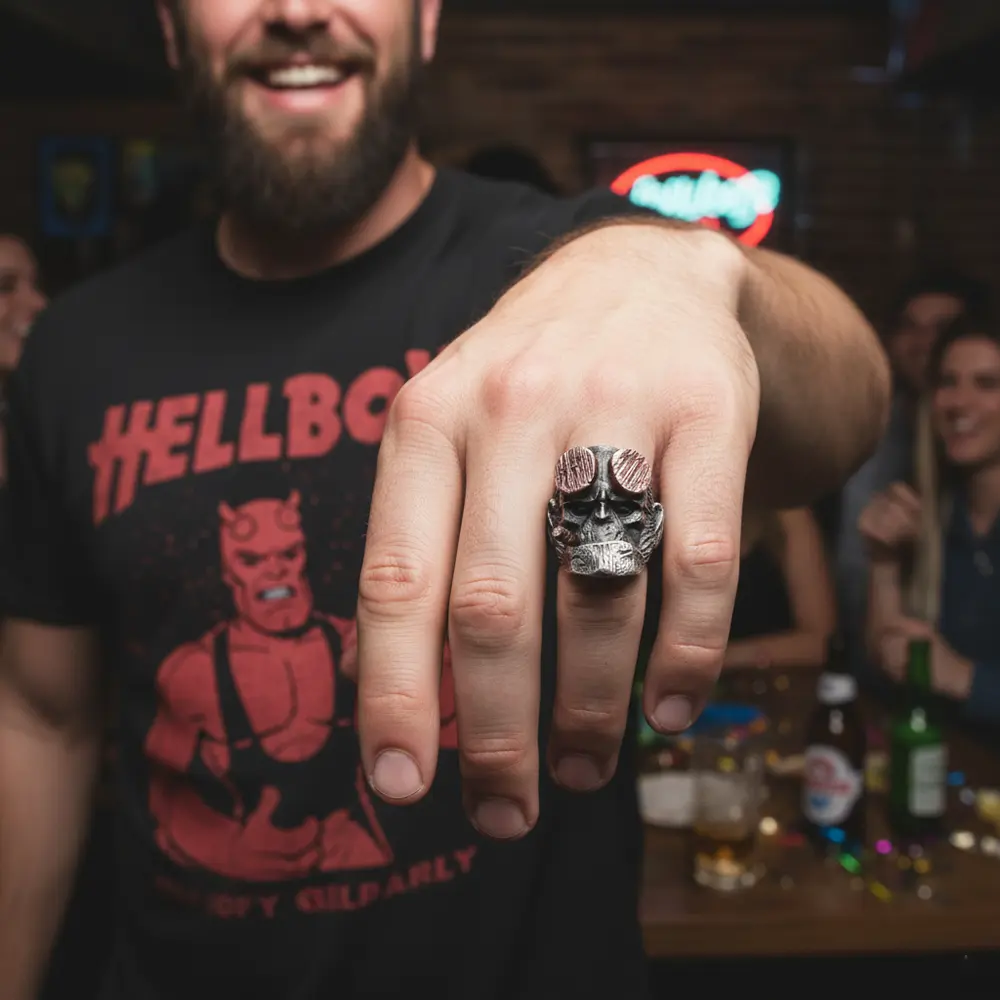
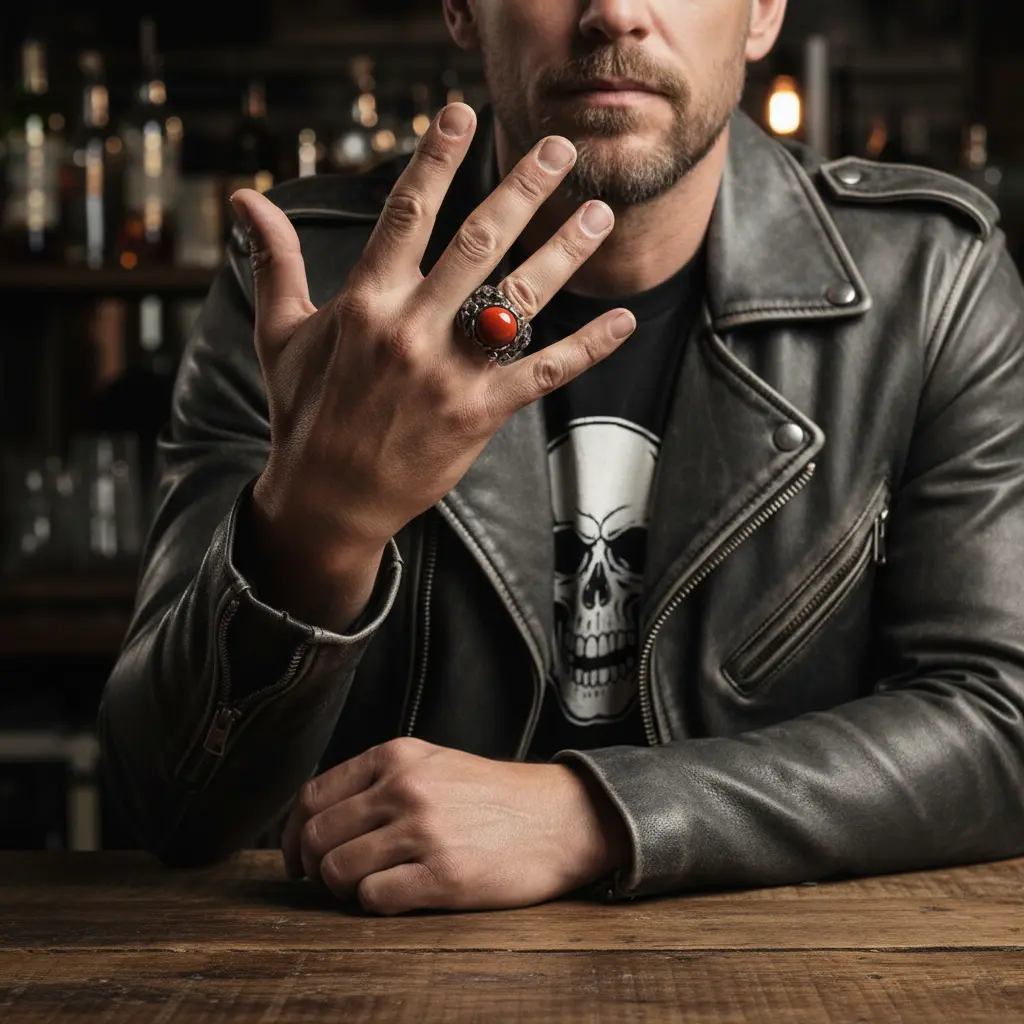
Modern twist: Go bold. A large gemstone or engraved signet here screams confidence.
-
Part 3: How Many Rings Are Too Many?
The old rule: “No more than two rings per hand.” But let’s be real—rules are for people who hate fun.
-
Minimalist approach: Stick to 1–2 rings on non-adjacent fingers (e.g., index and pinky). This creates balance without overwhelming your look.
-
Maximalist style: Mix metals, textures, and finger placements. For example:
-
A matte black titanium band on the thumb.
-
A rose gold knuckle ring on the middle finger.
-
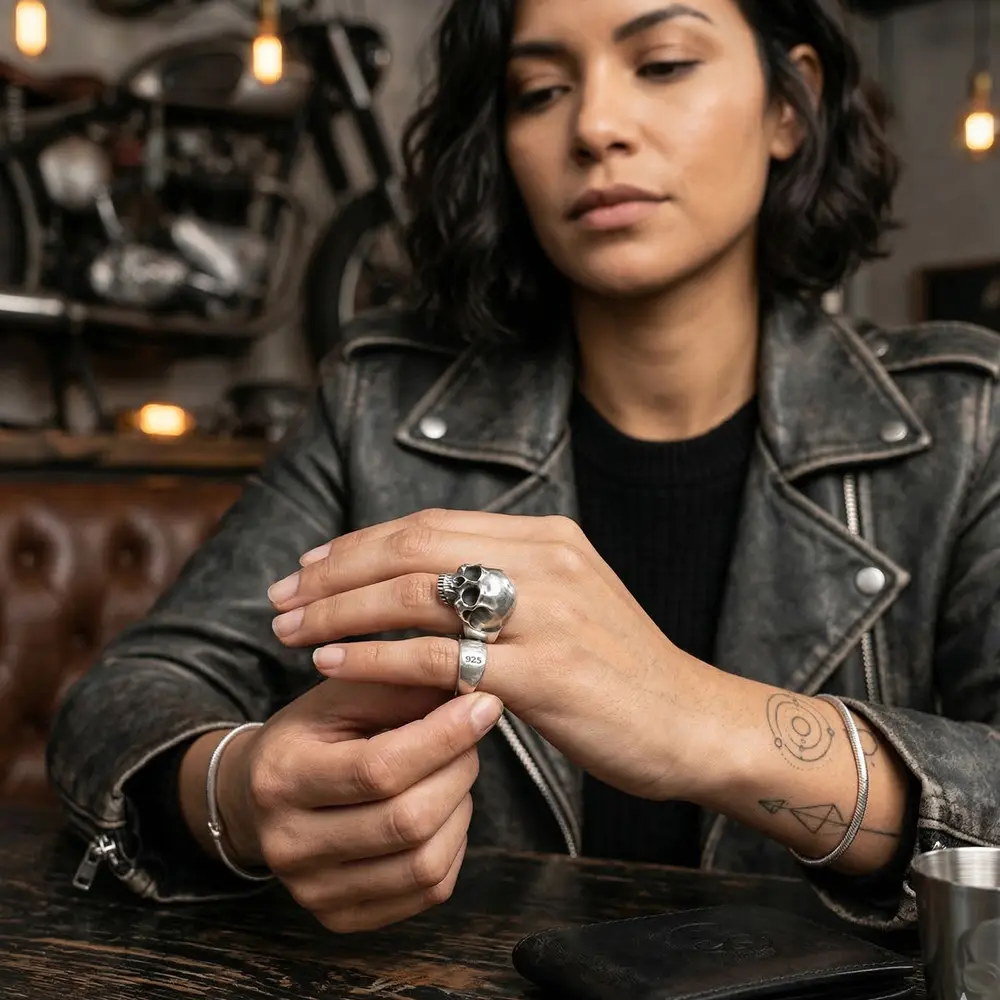
A diamond pinky ring for contrast. (Yes, I’ve done this. Yes, I got compliments.)
-
Key considerations:
-
Hand proportions: Petite hands? Avoid wide bands that shorten fingers.
-
Occupation: Work with your hands? Skip delicate rings to prevent damage.
Part 4: Gender Norms Are Dead—Wear What You Love
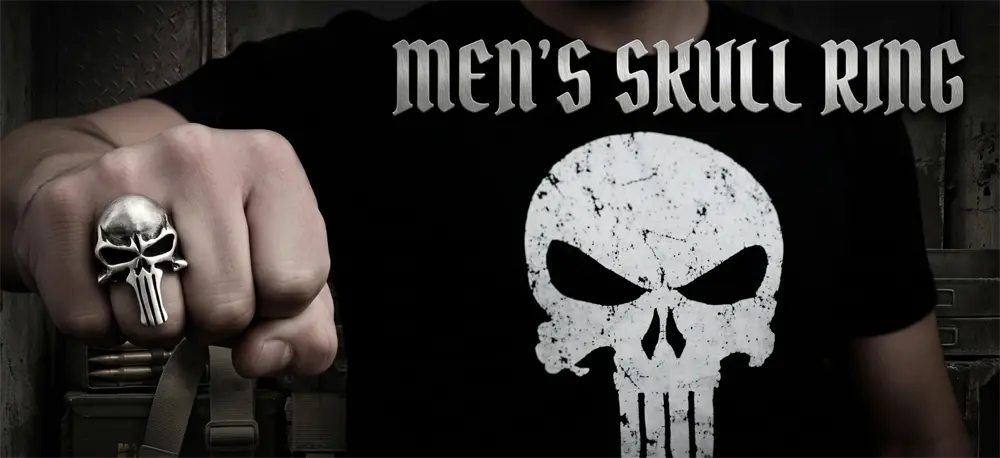
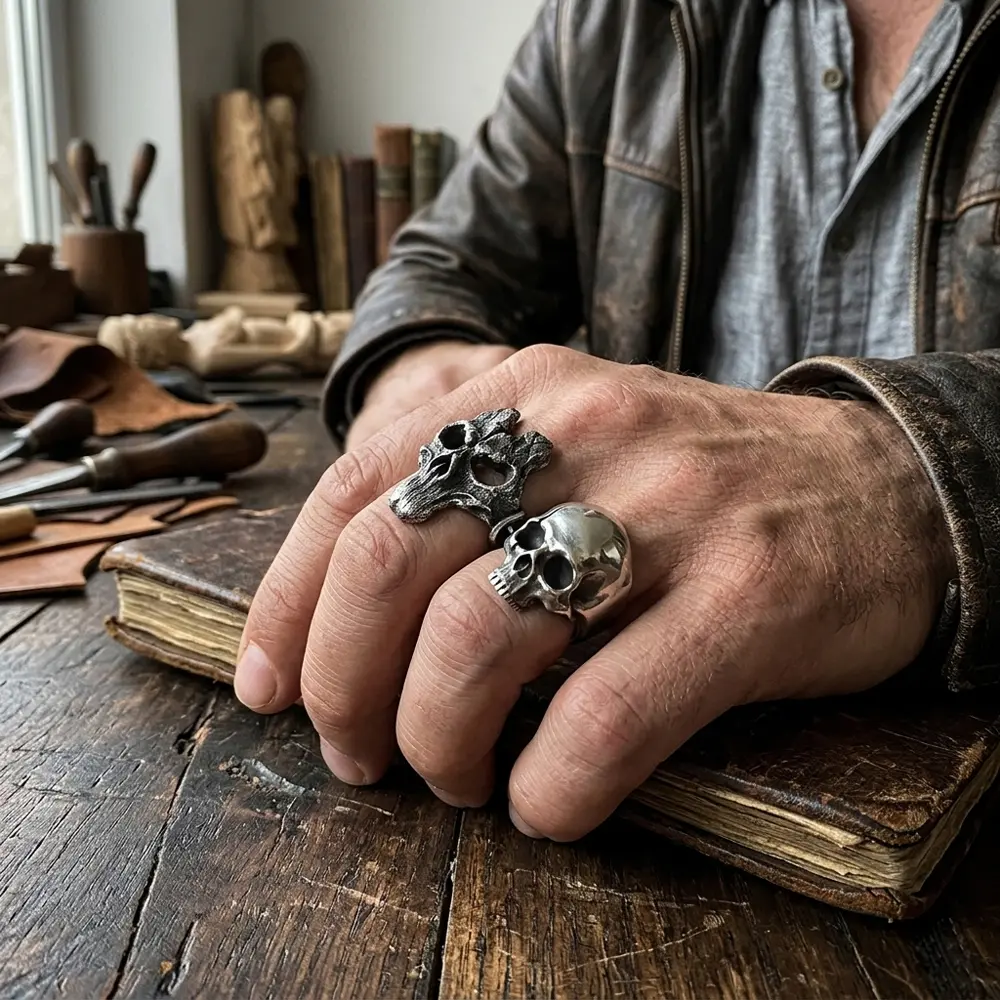
Men’s ring etiquette has exploded in recent years. No longer limited to wedding bands, men now rock everything from minimalist tungsten rings to Victorian-inspired signets .
-
For men:
-
Wedding bands: Platinum or titanium for durability.
-
Statement pieces: Try a brushed silver pinky ring or a textured hammered band on the index finger.
-
-
For women:
-
Stacking: Combine dainty gold rings with gemstone accents.
-
Mixing metals: Rose gold + sterling silver = instant edge.
-
Gender-neutral take: Rings have no gender. A unisex design (like a brushed black zirconium band) works for anyone.
Part 5: When to Break the Rules
Etiquette exists for context—not to stifle creativity. Here’s when to ditch tradition:
-
Cultural fusion: If you’re multicultural, blend norms. Example: Wear a Japanese mizuhiki cord ring on the right hand and a Western-style band on the left.
-
Fashion statements: Runways are full of “wrong” placements—middle-finger engagement rings, thumb wedding bands. If it feels authentic, own it.
-
Personal symbolism: Lost a loved one? Wear their ring on a non-traditional finger as a tribute.
Part 6: Pro Tips from Jewelers
-
Sizing: Rings should slide on with mild resistance. Too loose? Use sizing beads.
-
Materials:
-
Gold/platinum: Timeless but soft. Avoid if you work with tools.
-
Titanium/carbon fiber: Durable and lightweight.
-
-
Maintenance: Clean silver with baking soda paste; soak gold in mild soapy water.
Final Thoughts
Rings aren’t just jewelry—they’re storytelling. Whether you’re honoring tradition, making a statement, or experimenting with self-expression, the “right” way to wear them is your way. So go ahead: Stack, mix, and redefine what rings mean to you.Hey everyone,
I’ve noticed a lot of questions lately about ring-wearing etiquette—especially from folks who are new to accessorizing or confused by conflicting cultural norms. As someone who’s obsessed with jewelry history and modern styling, I wanted to break down the unspoken rules, the symbolism behind them, and why sometimes it’s okay to ignore tradition altogether. Let’s dive in.