
Heavy Skull Ring for Men: 925 Silver Fit, Weight, and Style Guide
A heavy skull ring works only when the size, metal, weight, and visual attitude all make sense together. Too small, and the skull motif loses its force. Too oversized, and the ring becomes awkward instead of deliberate. This MENSSKULL guide focuses on the live Heavy 925 Silver Skull Ring for Men, product ID 2107, SKU SSJ05, and uses verified product facts rather than invented sales claims.
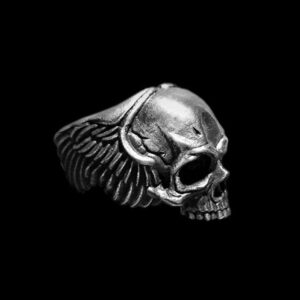
At the time of this content run, the product page is live, variable, purchasable, and in stock. The listed product facts show 925 silver, a 30mm by 20mm face, a listed weight of 30g, MENSSKULL brand attribution, and ring-size options from US 5 through US 15. The current product page also shows a sale price of $166.00 against a regular price of $366.00. Prices and stock can change, so the product page should remain the final checkout reference.
Quick Answer
The best heavy skull ring for men should be checked in four places before purchase: silver material, face size, listed weight, and ring size. For the MENSSKULL Heavy 925 Silver Skull Ring for Men, the live product data lists 925 silver, a 30mm by 20mm skull face, 30g weight, and ring sizes from US 5 to US 15. That makes it a strong fit for buyers who want a darker biker or gothic statement ring without guessing at the practical details.
If you are comparing several skull rings, start with the full skull rings for men collection, then narrow by face size, finger size, weight, and styling intent. A heavy skull ring is not just a larger version of a normal ring. It changes how the hand looks, how the ring feels through the day, and how much visual attention the design carries.
Why This Product Was Selected
Today’s content choice was based on production signals already available to the Growth Content Engine. The 2026-07-22 Rank Math/Search Console snapshot showed current search demand around skull jewelry and skull-ring themes. The exact query “skull rings for men” showed 59 impressions, 2 clicks, and an average position of 42, while the broader skull-jewelry cluster showed impressions but weak positions. That is a traffic opportunity, not proof of sales performance.
The product also has live commercial fit. It is a purchasable variable WooCommerce product, in stock, and aligned to the query family that is already receiving impressions. The Store API also showed a 5.00 average rating with 10 reviews at verification time. That review signal is useful context, but this article does not claim bestseller status, revenue, conversion rate, or order volume because no order-level conversion export was found for this product during today’s run.
What Makes a Skull Ring “Heavy”?
Heavy can mean several things in men’s jewelry. It can describe metal weight, visual mass, face width, depth, shank thickness, or the way the design sits on the hand. A product title alone is not enough. A buyer should check the actual listing details, compare the ring face against their hand size, and decide whether the ring is meant for everyday wear, biker styling, gothic outfits, collection display, or occasional statement wear.
For the Heavy 925 Silver Skull Ring for Men, the listed dimensions are 30mm by 20mm and the listed weight is 30g. That puts the piece in statement-ring territory. It is not a tiny accent band and should not be evaluated like a slim signet. The face is built to be seen, so the buyer should think about knuckle width, finger length, and whether the ring will be worn alone or with other silver pieces.
925 Silver Matters, But Specific Product Facts Matter More
MENSSKULL lists this product with 925 silver. That is the right material direction for buyers who want real sterling-silver jewelry rather than plated costume jewelry. Still, “925 silver” should not be treated as a shortcut for every practical question. A heavy ring also needs the right fit, workable weight, clear surface detail, and care habits that preserve contrast in recessed areas.
When evaluating any 925 sterling silver skull ring, avoid unsupported assumptions. Do not assume a ring is hypoallergenic, nickel-free, handmade in a specific process, or guaranteed to age in one exact way unless the product page says so. For this ring, the verified article-safe claims are the live product facts: product ID 2107, SKU SSJ05, 925 silver, 30mm by 20mm size, 30g listed weight, MENSSKULL brand, variable product status, in-stock status, and US 5-15 ring-size availability.
Fit: Start With Finger Size, Then Check Face Size
A heavy ring must be sized more carefully than a small band. If the ring is too tight, the added face size and weight make it uncomfortable quickly. If it is too loose, the ring can rotate, pull downward, and make the skull face sit off-center. The live product variations include US 5, 5.5, 6, 6.5, 7, 7.5, 8, 8.5, 9, 9.5, 10, 10.5, 11, 11.5, 12, 12.5, 13, 13.5, 14, 14.5, and 15.
That wide range gives buyers room to choose a specific fit, but it does not remove the need to measure. Use a ring that already fits the target finger, measure at the end of the day when fingers are not at their smallest, and account for temperature and swelling. If you are between sizes, think about how the ring will be worn. A heavier face may feel better with a secure fit, but the ring still needs to pass over the knuckle comfortably.
Weight: 30g Is Part of the Style
The listed 30g weight is not just a technical detail. Weight changes the experience of wearing the piece. A 30g skull ring can feel substantial, grounded, and intentional, especially for buyers used to biker rings, large silver rings, or gothic statement jewelry. For buyers used only to slim bands, that same weight can feel noticeably bold.
There is no universal perfect ring weight. The right question is whether the weight supports the buyer’s intended use. For daily wear, check comfort while gripping, typing, riding, lifting, or working with tools. For styling, consider whether the ring will be the main piece on the hand. For gifting, avoid guessing if the recipient normally wears lightweight rings.
Style: Where a Heavy Skull Ring Works Best
A heavy skull ring is strongest when it is allowed to lead the look. It pairs naturally with black denim, leather jackets, motorcycle boots, heavy chains, dark workwear, and simple silver accessories. The safest styling move is to keep nearby pieces quieter: one heavy ring, a clean bracelet, or a chain with similar metal tone.
For a biker look, let the ring sit with leather, black cotton, denim, and silver hardware. For gothic styling, use darker textures and fewer competing symbols. For everyday wear, keep the rest of the hand simple so the skull face reads as intentional rather than crowded. If you want to compare heavier profiles beyond this product, use the heavy skull rings for men path and compare size, weight, face shape, and metal details product by product.
How to Compare This Ring Against Other MENSSKULL Rings
Do not compare skull rings only by price or product title. Compare by design role. Some rings are symbolic and detailed. Some are oversized. Some are more wearable every day. Some are built for collectors who want dramatic face structure. The Heavy 925 Silver Skull Ring for Men sits in the heavier statement lane because of its listed 30mm by 20mm face and 30g weight.
Use the men’s skull ring buying guide when you need a broader framework. Then come back to the product page and check the details that matter for this exact piece: SKU SSJ05, 925 silver material, listed dimensions, listed weight, available ring sizes, current price, current stock, and product photos.
Buying Checklist
- Material: live product data lists 925 silver.
- Face size: listed as 30mm by 20mm.
- Weight: listed as 30g.
- Fit range: live variations show US 5 through US 15, including half sizes.
- Product status: verified as variable, purchasable, and in stock during this run.
- Use case: best for buyers who want a bold biker, gothic, or statement silver ring.
- Final check: verify current price, stock, and selected variation on the product page before checkout.
Care Notes for a Heavy 925 Silver Ring
Sterling silver benefits from simple habits. Keep the ring dry when possible, wipe it with a soft cloth after wear, and store it away from harder objects that can scratch raised surfaces. Avoid chlorine, harsh cleaners, and aggressive polishing in dark recessed areas. On skull rings, contrast is part of the design. Over-polishing every recess can flatten the visual depth that makes the face read clearly.
If the ring is worn often, check high-contact edges and raised details over time. Heavy rings can pick up marks because they sit proud on the hand. That is normal for real wear, but storage and cleaning discipline help preserve the surface.
Common Mistakes to Avoid
The first mistake is buying a heavy ring without checking measurements. A skull face that looks perfect in a close-up photo may feel larger on a smaller hand. The second mistake is guessing the size for a gift. With a 30g ring, fit matters too much to leave to estimation. The third mistake is stacking several heavy pieces on one hand until none of them has room to breathe.
The fourth mistake is treating review count, stock, or sale price as permanent. Those are live storefront facts at the time of verification, not timeless article claims. The product page is the source of truth for checkout decisions.
Product CTA
If you want a bold 925 silver skull ring with verified live details, review the Heavy 925 Silver Skull Ring for Men. Confirm the current price, choose the correct ring-size variation, and compare the 30mm by 20mm face and 30g listed weight against how you plan to wear it.
FAQ
Is the Heavy 925 Silver Skull Ring for Men made from sterling silver?
The live product data used for this guide lists the material as 925 silver. Always check the current product page before checkout in case product data changes.
What size is the skull ring face?
The product attributes list the size as 30mm by 20mm.
How much does the ring weigh?
The product attributes list the weight as 30g.
What ring sizes are available?
At verification time, the variable product data showed US sizes 5 through 15, including half sizes.
Is this a good everyday ring?
It can work for regular wear if the size and weight suit your hand and routine. Because it is a heavier statement ring, check comfort and fit carefully.
Does this guide claim the product is a bestseller?
No. No order-level sales or conversion export was found for this product during today’s run, so this guide does not make bestseller, revenue, or sales-volume claims.



MENSSKULL Journal Notes
Leave a field note
Share fit notes, styling ideas, care questions, or your experience with MENSSKULL silver jewelry.
Comments are checked before publication so buyers can read useful fit, symbolism, care, and style notes without spam noise.
The simple plus/minus challenge below helps block automated spam while keeping the experience lightweight.
Continue exploring
More MENSSKULL stories
Handcrafted silver
Shop the pieces behind the stories