
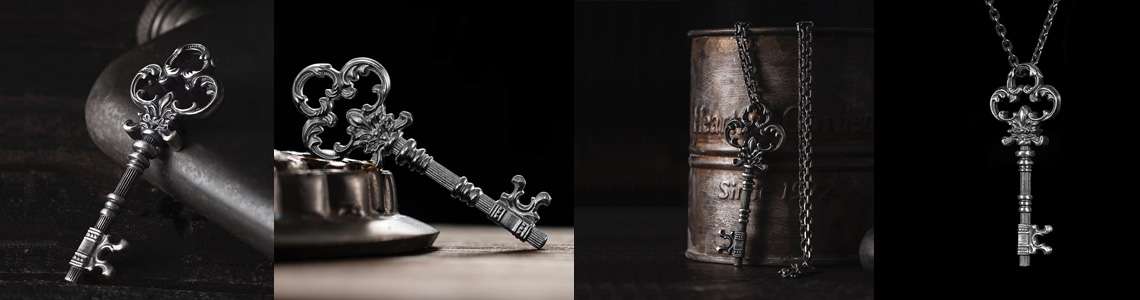
Choose one visual anchor, match scale to the body and clothing, and add only pieces that preserve comfort, movement, and a clear hierarchy.
Men’s Jewelry Styling: Quick Answer
Choose one visual anchor, match scale to the body and clothing, and add only pieces that preserve comfort, movement, and a clear hierarchy.
Replace Expired Trend Claims With Durable Principles
Year-specific fashion predictions age quickly and require current evidence. Proportion, contrast, fit, material clarity, and intended use remain useful regardless of a seasonal label.
Start by choosing the visual anchor: a statement ring, pendant, bracelet, watch, or earring. Let secondary pieces support its scale and finish instead of competing equally across every body zone.
Rings interact with hand size, finger spacing, cuffs, pockets, gloves, and work. Confirm exact size, band width, face dimensions, profile, and neighboring-finger comfort before treating a ring as an outfit detail.
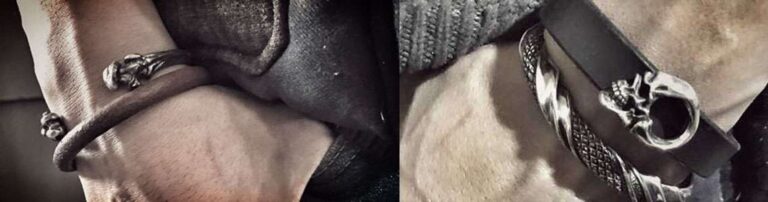
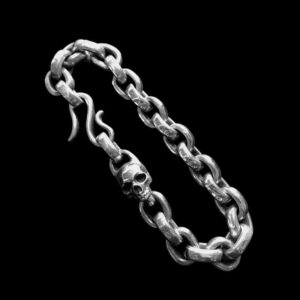
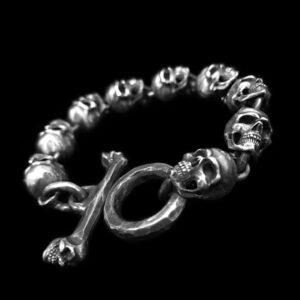
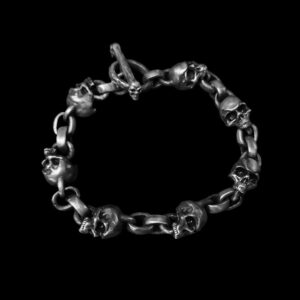
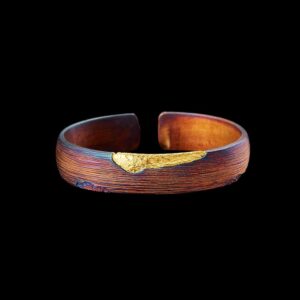
Bracelets share space with sleeves and watches. Measure the wrist, compare usable inside length, account for thick links or rigid plates, and check clasp access and dominant-hand activity.
Pendant scale depends on height, width, thickness, chain length, body proportions, and neckline. Treat pendant, bail, chain, and clasp as one system and confirm what is included with the selected variation.
Earrings need dimensions, weight, closure design, material disclosure, and long-wear comfort. Close-up photography can hide real scale, so compare measurements with on-body views.
Formal accessories such as cufflinks, tie bars, and lapel pins require compatible garments and a restrained hierarchy. They are not essential if the wardrobe does not use the clothing they are designed to support.
Mixing metals is not automatically an error. Repeat one color or finish in more than one place, keep one dominant metal, or use a watch as the bridge so the combination appears intentional.
Match jewelry scale to fabric and silhouette. Heavy leather, denim, boots, and broad outerwear can support stronger forms, while fine tailoring and lightweight shirts often work better with lower-profile pieces.
Dress code and safety override styling. Remove jewelry when machinery, tools, sports, sleep, or protective equipment create snagging, pressure, or impact risks.
Do not call an item sustainable, ethical, must-have, timeless, or investment quality without appropriate evidence. Material alone cannot establish sourcing, labor conditions, environmental impact, or future value.
For every item, verify material, dimensions, selectable size, construction, finish, weight when listed, included components, care, and return terms. A durable wardrobe is built from documented pieces that are actually worn, not expired trend predictions.
For hand styling, decide whether one ring or several rings will carry the visual weight. Leave physical and visual space between broad faces, avoid pressure between neighboring fingers, and check how cuffs and pockets interact with raised designs.
For wrist styling, place a watch and bracelet together before choosing final ease. A thick bracelet can push against the watch case, hide beneath a cuff, or rotate if the usable inside length is too loose.
For necklace layering, vary chain lengths enough that pendants do not stack directly on each other. Compare bail openings, clasps, pendant weight, and chain construction rather than choosing layers from appearance alone.
Use clothing texture as support: smooth tailoring usually benefits from controlled, lower-profile jewelry, while denim, leather, and heavier knits can visually support more texture. This is a proportion guideline, not a rigid rule.
Before buying, audit the existing wardrobe and jewelry collection. Identify the missing function, preferred body zone, metal and finish already worn, maintenance tolerance, and activities that may require removing the piece.
Continue the MENSSKULL Buying Path
Compare gothic jewelry guide, men’s silver rings, silver pendant necklaces for related fit, material, and style decisions. Use the individual product page for exact specifications.
Verified Silver and Care Sources
The FTC jewelry guide explains sterling silver terminology. GIA care guidance supports careful storage and protection from damaging chemicals. Neither source verifies an individual product.
Use these references only for the material and care statements they support. They do not confirm the alloy, manufacturing process, dimensions, stock, included components, or suitability of a particular MENSSKULL listing. Those facts must come from the exact product page and selected variation. Record decisive specifications before checkout and compare the delivered item before regular wear or gifting. Recheck the product-specific care guidance whenever the finish or components differ.
Material evidence, product evidence, and styling judgment answer different questions. The FTC reference supports terminology; GIA supports general care precautions; the product page supplies item-specific facts; and the wearer decides comfort, symbolism, and wardrobe fit. Keeping those roles separate prevents a general source from being used as proof of an individual claim.
FAQ
What should a buyer verify first?
Verify material, dimensions, selectable size or intended use, construction, finish, care, included components, and return terms on the exact product page.
Can photographs confirm material and scale?
No. Photographs illustrate form, but written specifications are needed for alloy and measurements. Compare front, side, and on-body views, then use the stated dimensions rather than estimating from camera perspective or the model’s proportions.
Is the symbolic meaning universal?
No. Historical sources support particular contexts, while modern meaning depends on the design and wearer.
Does 925 prove overall quality?
No. It describes sterling alloy content, not craftsmanship, origin, fit, or finish. Construction, edge finishing, clasp or band design, comfort, and documentation must be evaluated separately.
How should the final choice be made?
Use this guide to narrow the category, then decide from the exact specifications and intended use. Review the selected variation at checkout and retain the decisive product details for delivery comparison. Recheck comfort and condition carefully before regular wear.




MENSSKULL Journal Notes
Leave a field note
Share fit notes, styling ideas, care questions, or your experience with MENSSKULL silver jewelry.
Comments are checked before publication so buyers can read useful fit, symbolism, care, and style notes without spam noise.
The simple plus/minus challenge below helps block automated spam while keeping the experience lightweight.
Continue exploring
More MENSSKULL stories
Handcrafted silver
Shop the pieces behind the stories