
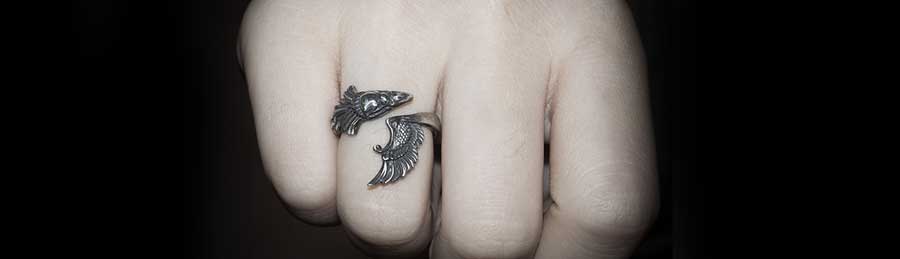
Direct answer: The practical advantages of sterling silver jewelry are a defined silver content, broad design range, multiple surface finishes and compatibility with many clothing styles. Its limits include tarnish, ordinary scratching, possible mixed-material components and care requirements that vary with stones, plating and oxidation. Sterling silver should not be described as providing guaranteed health, luck or protective benefits.
A balanced decision considers both what the alloy enables and how the finished object is constructed.
Sterling Silver Has a Defined Composition
Sterling silver contains 92.5 percent pure silver, with the remaining portion made from alloying metal. Pure silver is different, and silver tone, silver plate and stainless steel are separate descriptions.
The FTC’s precious-metal buying guide explains common terminology. A 925 mark supports a fineness claim but does not prove origin or production method.
The Alloy Supports Detailed Design
Sterling silver can be cast, fabricated, engraved, textured and polished into bands, signets, chains, pendants and sculptural forms. The final quality still depends on dimensions, joins, settings and finishing.
Compare detail across men’s silver rings and the necklace collection rather than treating alloy name as a complete quality grade.
Finish Creates Several Visual Directions
Mirror polish creates bright reflection, brushed surfaces reduce glare, hammering adds texture and oxidation darkens recesses. These treatments can make the same alloy look formal, industrial, gothic or restrained.
Finish affects care and visible wear. It does not change the underlying fineness or prove that a piece was handmade.
Silver Tone Coordinates Easily
A cool metal tone can connect with watch hardware, belt buckles and dark clothing. A polished pendant can lead a plain shirt, while an oxidized ring can emphasize relief beside denim or leather.
This is a styling advantage, not a promise that silver flatters every person or outfit. Preference and context remain subjective.
Tarnish Is a Normal Surface Reaction
Sterling silver can darken as it reacts with sulfur-containing substances in the environment. Tarnish is not the same as dirt or proof that the item is fake. Rate and appearance vary with storage, exposure and finish.
Intentional oxidation should not be removed automatically because it may be part of the design.
Scratches and Wear Should Be Expected
Polished surfaces show fine scratches, while textured finishes can make ordinary wear less obvious. Thin projections, hollow sections and exposed settings have different wear risks from a plain band.
Remove jewelry before heavy lifting, machinery, chemical exposure and activities where it can catch or receive impact.
Repairability Depends on Construction
Some sterling silver rings can be resized and some links or clasps can be repaired. Stones, enamel, plating, hollow construction, continuous patterns and intentional oxidation can restrict the process.
Ask about future service before purchase rather than assuming every silver piece can be restored to an original appearance.
Mixed Components Need Separate Verification
A pendant, chain, clasp, spring, earring post or stone setting may use different materials. A description that applies to the decorative front may not describe every finding.
Confirm component materials when allergies, piercing suitability, color consistency or long-term care matter.
Sterling Silver Is Not Initial Piercing Jewelry
The Association of Professional Piercers does not recommend sterling silver for a new or unhealed piercing. An earring sold as sterling silver should not be treated as suitable initial jewelry because of the fineness mark.
Consult the APP’s initial jewelry guidance and a qualified piercer.
Avoid Unsupported Health Claims
Retail jewelry should not promise that wearing sterling silver improves circulation, regulates energy, prevents illness or protects the wearer. Such claims are separate from verifiable metal composition and design.
Persistent skin or piercing problems require qualified assessment rather than a jewelry marketing explanation.
Price Varies Beyond Metal Content
Price can reflect weight, design, labor, stones, finishing, custom work, brand and service. A heavier piece contains more material but is not automatically better constructed. A low price does not identify the alloy without accurate disclosure.
Compare complete specifications and current terms instead of relying on a general claim that silver is always inexpensive.
Storage and Cleaning Protect the Finish
Store pieces separately in a dry place, wipe after wear and inspect settings, clasps and joins. GIA’s jewelry care guidance recommends suitable storage and attention to damage.
The sterling silver care guide covers routine steps. Stones, enamel, plating and darkened recesses may require gentler methods.
Use a Complete Buying Checklist
Record dimensions, weight range, alloy description, finish, stone information, clasp or setting details, included components and return terms. Verify the exact selectable variation and ask whether images show the item being ordered.
Browse the bracelet collection for construction comparisons, then rely on each product page for current specifications.
Verify Recycled and Ethical Claims Separately
A sterling-silver fineness claim does not establish recycled content, mine origin, labor conditions or environmental impact. Those statements need their own documentation. Ask whether recycled percentages refer to the entire piece or only a metal input and whether an independent standard is named.
Packaging, shipping distance, repairability and product lifespan can also affect a buyer’s decision. Avoid assuming that silver is automatically sustainable or unethical without evidence about the specific supply chain. Keep the seller’s complete material statement with the receipt.
FAQ
What is the main practical benefit of sterling silver?
It provides a defined silver alloy that supports many designs and finishes when accurately described.
Does sterling silver tarnish?
Yes. Tarnish can occur naturally and should be managed according to the intended finish.
Does sterling silver provide health benefits?
Jewelry should not be marketed as guaranteeing medical, energy or protective outcomes.
Can every sterling silver ring be resized?
No. Stones, patterns, hollow sections, engraving and finish can limit resizing.
Is sterling silver suitable for a fresh piercing?
The APP does not recommend it for a new or unhealed piercing.





MENSSKULL Journal Notes
Leave a field note
Share fit notes, styling ideas, care questions, or your experience with MENSSKULL silver jewelry.
Comments are checked before publication so buyers can read useful fit, symbolism, care, and style notes without spam noise.
The simple plus/minus challenge below helps block automated spam while keeping the experience lightweight.
Continue exploring
More MENSSKULL stories
Handcrafted silver
Shop the pieces behind the stories