
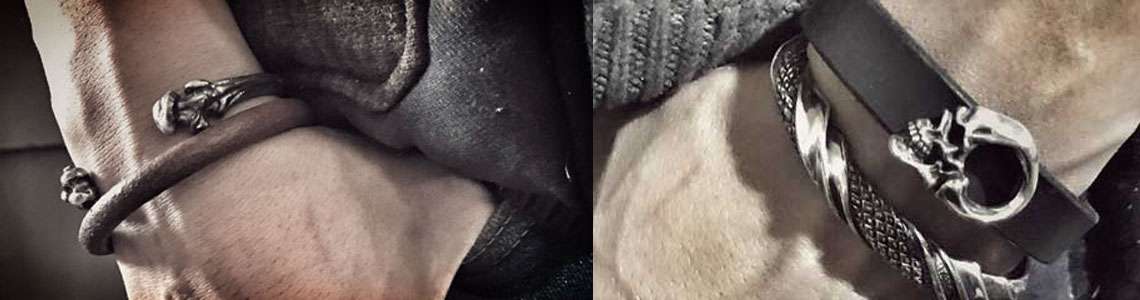
Quick answer: Choose one piece to lead the outfit, then add only what the venue, clothing and movement can support. A statement ring, pendant, bracelet, watch or earring can work at a party when it fits securely, leaves physical space and does not compete with every other accessory.
Read the Party Before Choosing the Jewelry
A dinner, wedding reception, club, concert, house party and outdoor event create different expectations. Formal rooms usually reward controlled scale and clean spacing. Music venues and casual gatherings can support more texture, but crowding, dancing, coats and bags increase snagging and loss risk.
Check the invitation, host, venue and dress code rather than treating “party jewelry” as one category. Religious ceremonies, workplaces and private events may have specific expectations. Personal expression remains possible without ignoring context.
Build the Look Around One Anchor
An anchor is the accessory noticed first. A broad skull ring can lead the hand; a pendant can lead the torso; a cuff or watch can lead the wrist. Once that choice is made, quieter pieces should create rhythm instead of repeating equal size and symbolism everywhere.
If the ring is sculptural, use a slimmer bracelet or simple chain. If a pendant carries the motif, lower the ring profile. The MENSSKULL men’s jewelry styling guide explains how to distribute visual weight across body zones.
Rings Must Survive Movement, Pockets and Hand Contact
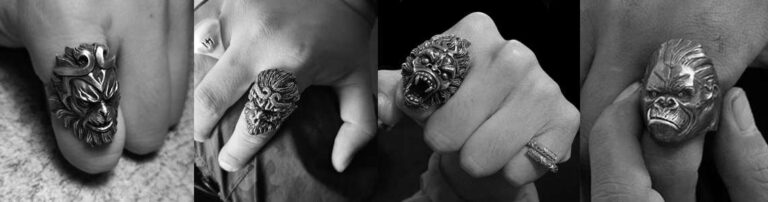
Confirm exact size, band width, face dimensions, profile and neighboring-finger contact. Wide bands may feel tighter than narrow rings. A loose top-heavy ring can rotate while dancing or greeting people, while sharp projections can catch pockets, knits or another person’s clothing.
Use one statement face or several quieter bands with visible space between them. For skull-specific scale and outfit decisions, compare the skull ring styling guide. Remove rings when an activity creates impact or snagging risk.
Chains and Pendants Follow the Neckline
Preview chain drop with the actual shirt or jacket. An open collar, crew neck and high neckline position a pendant differently. Compare chain length and width, clasp, pendant dimensions, weight when listed, bail opening and the widest end fitting.
Layering works when chain lengths differ enough to reduce direct overlap and tangling. One pendant should remain the focal point. A chain shown with a product is not automatically included, so verify the exact listing.
Bracelets Share Space With Watches and Sleeves
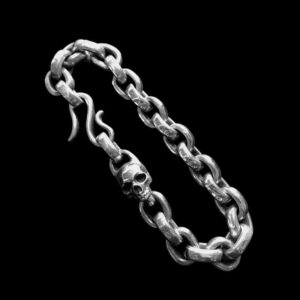
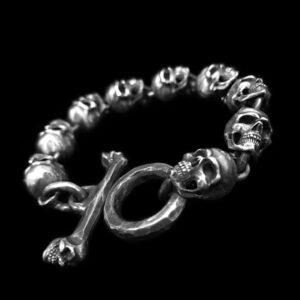
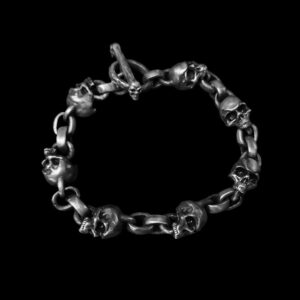
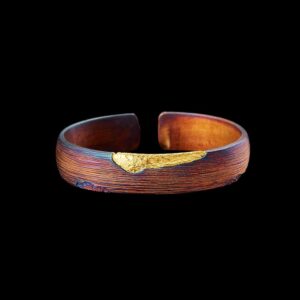
Measure the wrist and compare usable inside fit rather than relying only on flat length. Thick links, beads, rigid plates and large clasps consume interior space. A bracelet should move without sliding over the hand or striking the watch throughout the event.
Check clasp security, articulation, dominant-hand activity and jacket cuffs. The silver bracelet fit guide provides a deeper measurement and clasp checklist.
Earrings, Cufflinks and Pins Need Compatible Closures
Earrings sit near the face, so dimensions and finish can create impact without large scale. Verify post or closure type, listed weight and materials for body-contact components. Cufflinks require compatible cuffs, while a lapel pin needs suitable fabric and a secure backing.
Do not add formal accessories simply because the event is called a party. A tie bar without a tie or cufflinks without the proper cuff do not add function. Every piece should have a clear placement and purpose.
Coordinate Metal and Finish, Not Unsupported Status
Matching every metal is optional. Mixed metals can look deliberate when one tone remains dominant or one finish repeats. Polished surfaces reflect more light, brushed metal appears quieter and oxidized recesses emphasize carving. None of these finishes proves alloy or craftsmanship.
The FTC jewelry guide explains precious-metal terminology. GIA care guidance supports careful storage and protection from damaging chemicals. Product-specific facts still come from the exact listing.
Run a Party-Safety Check
Put on the full outfit and test sitting, reaching, dancing, coat removal, pockets and bag straps. Secure every clasp and remove anything that pinches, catches or needs constant adjustment. Avoid machinery, high-impact activity and situations where a chain or projecting ring could create risk.
Carry only the care or storage item actually needed. A small separate pouch is more useful than placing loose metal pieces together, where they can scratch. Comfortable jewelry lets attention remain on the event.
After the Event: Inspect, Clean and Store
Check clasps, posts, links, settings and projecting ring details after a crowded or active event. Sweat, cosmetics, fragrance and accidental contact can affect different materials and finishes. Do not use one cleaner on silver, plating, stones, leather and enamel without confirming compatibility.
Wipe and store pieces according to their instructions, keeping hard or textured items separated. If a closure loosened or a setting moved, stop wearing the piece until it is inspected. A successful party look includes returning the jewelry to safe condition rather than treating it as disposable styling.
For travel to and from an event, use a small structured case rather than loose pockets. Record valuable or personalized items and avoid leaving jewelry unattended in coat checks, vehicles or shared spaces. Security and comfort are part of the styling decision.
FAQ
How many pieces should a man wear to a party?
There is no fixed number. Start with one anchor and add only pieces that preserve comfort and hierarchy.
Can skull jewelry work at a formal party?
Yes when the host and dress code allow it. A compact, lower-profile design is easier to integrate than several large motifs.
Should a bracelet and watch be on the same wrist?
Either arrangement can work if the pieces do not collide, pinch or overwhelm the cuff.
Must every metal match?
No. Mixed metals can be deliberate when one tone leads or a finish repeats.
What should be verified before buying?
Confirm material, dimensions, fit, closure, finish, included components, care and return terms.

MENSSKULL Journal Notes
Leave a field note
Share fit notes, styling ideas, care questions, or your experience with MENSSKULL silver jewelry.
Comments are checked before publication so buyers can read useful fit, symbolism, care, and style notes without spam noise.
The simple plus/minus challenge below helps block automated spam while keeping the experience lightweight.
Continue exploring
More MENSSKULL stories
Handcrafted silver
Shop the pieces behind the stories