

Direct answer: Evaluate a silver skull coffee spoon by first determining whether it is sold as food-contact flatware or as a decorative collectible. Then verify the complete alloy, construction, dimensions, finish and care instructions. A silver color, skull motif or 925 mark alone does not establish intended use, safety, handmade origin or magical properties.
This factual guide replaces folklore with observable buying evidence. Always follow the individual product description rather than assuming every skull-shaped spoon has the same construction or purpose.
Identify the Object’s Intended Use First
A small skull object may be described as a coffee spoon, measuring object, pendant-like collectible or decorative accessory. Those names are not interchangeable. Confirm whether the seller specifically states that the item is intended for contact with food and beverages.
If intended use is unclear, treat the object as decorative and ask the seller before placing it in a drink. Do not infer food suitability from appearance, weight or a photograph.
Separate Current Products From Retired Stories
Catalogs change. An old article may refer to a product that is no longer sold, while a current item can use a similar motif with a different alloy or function. The previous fictional Silverbrook story did not document a real maker, town or magical effect and should not be used as product evidence.
Browse the current skull accessories collection, then open the exact product page and verify its present description. Never transfer attributes from a retired URL to a different item.
Read the Full Alloy Description
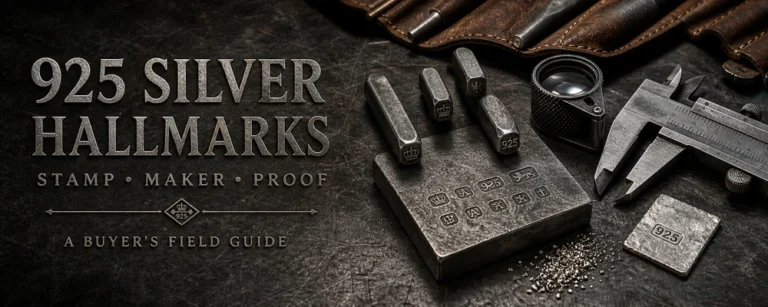
The FTC explains that sterling silver contains 92.5 percent pure silver. Silver plate, silver tone, stainless steel, brass and copper alloys are different materials. A composite spoon may use one alloy for the bowl, another for the handle and a third for decorative accents.
The FTC precious-metal buying guide explains sterling and plated descriptions. Although written for jewelry buying, its distinction between solid alloy and surface coating is useful when reading a decorative metal listing.
Compare Current Material Examples Carefully
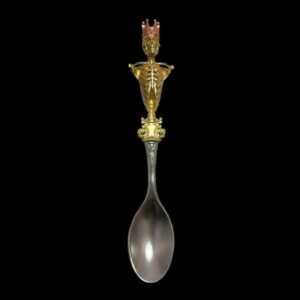
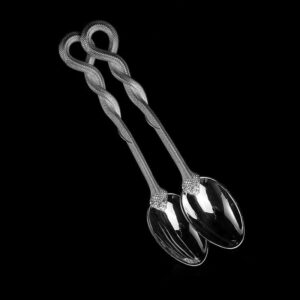
The current brass skull spoon listing identifies brass, red copper and stainless steel components. The current snake silver spoon listing identifies 925 silver. These are separate products and their attributes must not be combined.
Verify the live listing at purchase because materials, selectable options and availability can change. Product names are not substitutes for the attribute table.
Check Dimensions, Weight and Balance
Length and bowl width determine whether a spoon suits espresso, coffee, tea, serving or display. Weight and balance affect how it rests in the hand or cup. Raised skulls, crowns, snakes or other sculptural details can change grip and cleaning access.
Use written measurements and compare them with an ordinary spoon already owned. Macro photographs emphasize carving but can hide the actual scale.
Inspect Construction and Hard-to-Clean Areas
Look for joins between handle, bowl and decorative elements. Deep recesses can trap residue if the item is used with food. Hollow sections, applied ornaments and mixed materials may require different cleaning methods and may not be suitable for immersion.
Request additional photographs when the back, underside or connection points are not visible. Aesthetic complexity should not replace construction information.
Do Not Assume Food-Contact Suitability
The FDA discusses limits and material concerns for food-contact surfaces and foodwares. The relevant requirement depends on the material, coating, manufacturing process and jurisdiction. A blog cannot certify a specific object from a photograph.
Consult the FDA information on lead in food and foodwares for regulatory context. If the seller does not identify intended food use or answer material questions, keep the item for display rather than consumption.
Understand Tarnish Without Treating It as a Defect
Silver reacts with sulfur-containing gases and can form dark silver sulfide tarnish. Tarnish is different from dirt, deliberate oxidation and loss of plating. Decorative recesses may be intentionally darkened to make a motif readable.
The Canadian Conservation Institute’s silver care guidance explains that repeated polishing removes some underlying silver and that over-cleaning can harm engraved or composite objects.
Use Care Instructions Specific to the Object
Do not automatically use a chemical dip, dishwasher or general metal polish. Applied decorations, hollow components, gilding, plating, brass and stainless parts may react differently. Follow the seller’s instructions for an item in ordinary use and seek a conservator for a valuable collectible.
For display, reduce dust, fingerprints and contact with sulfur-emitting materials. Store separate from harder objects to limit scratching. Do not polish away an intentional dark finish.
Evaluate Collectible Value Without Invented Provenance
Collectible interest can come from documented maker, date, material, technique, condition, rarity and ownership history. A dramatic name or fictional legend is not provenance. Ask for marks, packaging, receipts and verifiable production information when those factors affect the purchase.
Do not describe a mass-produced object as a unique heirloom or handcrafted work unless the seller provides evidence. Likewise, do not claim that a spoon connects the user to history, changes a drink or carries protective energy.
Create a Condition Record
Photograph the front, back, bowl, handle and marks when the object arrives. Record dimensions, weight, listed alloy and existing scratches or tarnish. This helps separate normal change from later damage and prevents attributes from being confused with another catalog item.
FAQ
Is every silver skull spoon made from sterling silver?
No. Current and retired designs may use sterling silver, brass, copper, stainless steel, plating or mixed materials.
Does a 925 mark prove a spoon is safe for food?
No. It relates to silver fineness and does not by itself establish intended use, coatings, joins or regulatory suitability.
Can a decorative skull spoon be placed in coffee?
Only when the seller identifies it for food contact and provides suitable material and care information.
Should tarnish always be polished away?
No. Frequent or aggressive polishing removes material and can damage intentional contrast, plating or detail.
Does a fictional product story establish provenance?
No. Provenance requires verifiable maker, date, ownership and production records.





MENSSKULL Journal Notes
Leave a field note
Share fit notes, styling ideas, care questions, or your experience with MENSSKULL silver jewelry.
Comments are checked before publication so buyers can read useful fit, symbolism, care, and style notes without spam noise.
The simple plus/minus challenge below helps block automated spam while keeping the experience lightweight.
Continue exploring
More MENSSKULL stories
Handcrafted silver
Shop the pieces behind the stories