
Quick answer: A custom car emblem can improve the appearance or personal meaning of a vehicle, but it does not automatically increase resale value. Buyers should verify dimensions, material, attachment method, surface compatibility, placement and removability, then preserve the original badge and installation records.
Resale Value Is a Buyer Response, Not an Emblem Feature
A badge cannot carry a guaranteed return on investment. Vehicle value depends on make, model, age, mileage, condition, maintenance history, accident history, local demand and the preferences of the eventual buyer. A carefully chosen emblem may appeal to one buyer and reduce interest for another who wants an original vehicle.
Unsupported percentages, faster-sale claims and auction anecdotes should not be treated as evidence. Unless a study identifies the vehicles, sample, location, condition and comparison method, it cannot show that an emblem caused a price difference. The responsible approach is to treat customization as a design choice and preserve reversibility.
Start With the Vehicle and Mounting Location
Measure the available flat or curved surface before choosing a badge. Record maximum width and height, curvature, panel gaps, body lines, cameras, sensors, air intakes, lighting and moving parts. A close product photograph cannot establish whether a badge fits a particular hood, fender, trunk or motorcycle panel.
Placement should not cover required labels, registration information, lights, reflectors or safety equipment. It should not interfere with a door, hatch, charging port, airflow or cleaning access. The NHTSA vehicle safety standards overview provides regulatory context, but it does not approve a specific aftermarket emblem or installation.
Compare Emblem Materials Without Inventing Performance
Brass, stainless steel, aluminum, zinc alloy, plated metal, enamel and polymer badges have different weight, finish and care requirements. Brass can develop patina; polished or plated surfaces can scratch or wear; enamel can chip; mixed materials may react differently to cleaners and weather. Color alone cannot identify the substrate or coating.
Request the exact material, dimensions, thickness, weight, finish and intended environment. Terms such as marine grade, UV resistant, corrosion proof, lead free or handmade require documentation from the maker. A metallic appearance, premium price or workshop photograph is not proof of composition or durability.
Choose an Attachment Method That Matches the Surface
Adhesive mounting avoids drilling but depends on surface condition, temperature, preparation, tape specification, contact area and curvature. Mechanical studs may be secure when designed for the panel, yet drilling can create permanent holes and may expose metal to moisture if performed incorrectly. Magnetic mounting works only on suitable substrates and can move or trap debris.
Follow the product and vehicle instructions rather than assuming one tape or cleaner suits every paint system. Do not place adhesive over loose paint, wax, contamination or a surface that has not fully cured. If the installation affects paint, bodywork, sensors or warranty questions, use a qualified automotive professional.
Five Design Directions and Their Tradeoffs
Heraldic and heritage-inspired badges
Crests, wings and vintage lettering can complement a restoration or heritage theme. They should not copy a protected manufacturer mark or imply an edition, trim level or provenance the vehicle does not possess. Originality and accurate description matter more than a manufactured history.
Geometric and architectural emblems
Clean lines can work on modern panels, but thin projections need enough support and adhesive area. Compare the drawing with the body line at actual scale. Fine detail that looks sharp in a rendering may be difficult to clean or visually disappear at normal viewing distance.
Enamel and multicolor badges
Enamel can introduce color and contrast. Buyers should check whether the colors are fired, painted, printed or resin-filled, how edges are finished and what care the maker recommends. A decorative coating does not confirm weather resistance.
Personal initials and commissioned symbols
Personalization can make a vehicle feel distinctive but may narrow future buyer appeal. Confirm proofing, spelling, artwork ownership, production time, cancellation and return rules. Keep the original emblem so the vehicle can be returned to a more neutral presentation.
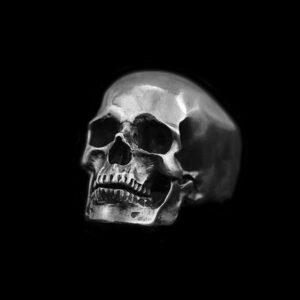
Skull, animal and biker motifs
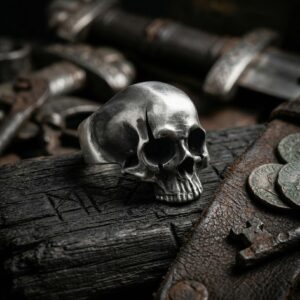
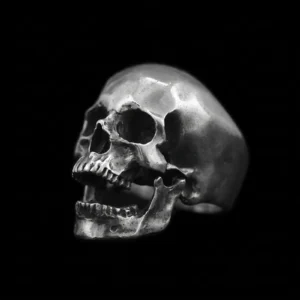
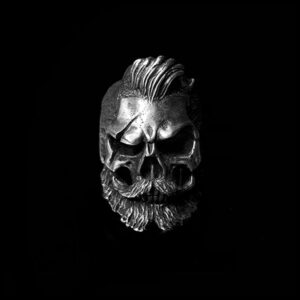
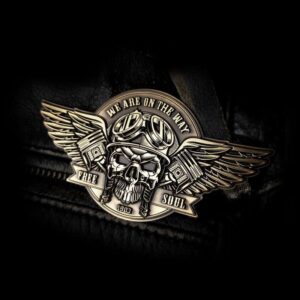
A sculptural motif can create a strong focal point on a motorcycle, truck or custom build. Match its scale to the panel and avoid sharp, unsupported projections. Compare the MENSSKULL custom car badge guide, skull metal car badges and Ford Mustang badge specifications for different design and fit considerations.
Document the Modification for a Future Sale
Retain the receipt, maker information, dimensions, material statement, installation date, adhesive or fastener specification and photographs before and after installation. Store the original factory badge and hardware in labeled packaging. Documentation helps a future owner understand what changed; it does not guarantee a premium.
Before selling, inspect the emblem, surrounding paint and mounting area. A neutral buyer may prefer the original configuration, while an enthusiast may value the custom detail. The FTC used-car buying guidance emphasizes vehicle information and buyer review; it does not assign value to decorative modifications.
Removal deserves the same planning as installation. Heat, solvents, scraping and pulling can damage paint, coatings or nearby trim when they are not compatible with the surface. Ask a qualified detailer or body professional when the attachment method is uncertain, and photograph the panel after removal. Owners of leased, financed, insured or warranty-covered vehicles should also review the applicable agreement before making a permanent alteration. A decorative emblem should never be described as factory equipment, a certified trim package or evidence of vehicle identity unless the manufacturer documentation confirms that status.
FAQ
Will a custom emblem increase my car’s resale value?
Not necessarily. It may appeal to a specific buyer, have no measurable effect or reduce interest from buyers who prefer factory condition.
Is adhesive mounting always damage free?
No. Results depend on paint condition, preparation, adhesive, temperature, curvature and removal method. Follow product and vehicle guidance.
Should I keep the original badge?
Yes. Preserve it with its hardware and a record of the original placement whenever removal does not cause damage.
Can a badge cover a camera, sensor or label?
No. Do not obstruct safety equipment, lighting, identification, required labels, airflow or moving parts.
What should I verify before ordering?
Confirm dimensions, curvature, material, finish, weight, attachment, intended environment, care, artwork rights and return terms for the exact badge.
MENSSKULL Journal Notes
Leave a field note
Share fit notes, styling ideas, care questions, or your experience with MENSSKULL silver jewelry.
Comments are checked before publication so buyers can read useful fit, symbolism, care, and style notes without spam noise.
The simple plus/minus challenge below helps block automated spam while keeping the experience lightweight.
Continue exploring
More MENSSKULL stories
Handcrafted silver
Shop the pieces behind the stories