
Answer first: Can sterling silver get wet? Brief contact with clean water usually does not ruin a solid 925 sterling silver piece, but routine showering is not the best care habit, and pools, hot tubs, salt water, household cleaners, and prolonged sweat exposure create much higher risk. Water itself is only part of the problem. Soap film, cosmetics, sulfur compounds, chlorides, heat, and moisture left in joints or settings can dull the surface, speed tarnish, or expose weaknesses in a plated, glued, hollow, oxidized, or stone-set piece. The safest routine is simple: remove the jewelry before bathing, swimming, training, or cleaning; if it gets wet, rinse away residue when appropriate and dry it completely with a soft cloth.
This guide is for men who wear silver rings, chains, pendants, earrings, or bracelets regularly and want a practical answer rather than a blanket “waterproof” claim. It separates low-risk contact from exposures that deserve caution, explains what changes are cosmetic and what may require a jeweler, and gives a recovery plan for accidental exposure. The recommendations assume the item is genuine solid sterling silver unless stated otherwise. Plated jewelry, porous stones, adhesives, leather, and intentionally darkened finishes need more conservative care.
Can Sterling Silver Get Wet? A Practical Risk Chart
Use this table as a quick decision tool. “Low risk” does not mean no maintenance; it means a short exposure is unlikely to cause serious damage when the piece is promptly dried. Construction, finish, water chemistry, and frequency can move any item into a higher-risk category.
| Exposure | Typical risk | Best action | Main concern |
|---|---|---|---|
| Brief handwashing | Low for plain solid sterling | Rinse off soap and dry under the ring or clasp | Soap residue and trapped moisture |
| Rain or an accidental splash | Low | Wipe dry when convenient | Water spots or residue |
| Daily showering | Moderate and cumulative | Remove first | Product film, hard-water deposits, finish wear |
| Gym or heavy sweating | Moderate | Remove before training; wipe after light wear | Salts, oils, abrasion, impact |
| Swimming pool | High | Remove before entering | Chlorinated water, loss, surface reaction |
| Hot tub or spa | High | Remove before entering | Heat plus treatment chemicals |
| Ocean or salt water | High | Leave jewelry in secure dry storage | Salt deposits, corrosion conditions, loss |
| Cleaning with bleach or chlorine products | Very high | Remove jewelry and avoid contact | Aggressive chemical exposure |
The chart is deliberately conservative. A plain sterling chain may appear unchanged after many showers, while another piece darkens quickly because of local water chemistry, skin products, alloy composition, or surface finish. Visible survival is not proof that repeated exposure is ideal. Care decisions should protect the whole object, including soldered joints, clasps, stone settings, patina, and any nonmetal components.
Why Water Is Not the Only Variable
Silver is often described as if it reacts with oxygen alone, but the familiar dark surface is principally associated with sulfur-containing compounds. The Canadian Conservation Institute explains that silver exposed to sulfur-containing gases forms silver sulfide, while sterling silver tarnish can also contain copper sulfide. Humidity can accelerate the process by supporting reactions at the surface. Its detailed explanation of how silver objects tarnish is useful because it separates the metal from the environment acting on it.
That distinction matters in a bathroom, gym, pool, or beach setting. Clean water may be relatively mild, but real-life water carries dissolved minerals, treatment chemicals, salt, body oils, shampoo, soap, sunscreen, fragrance, or cleaning agents. A wet surface also holds these materials against the jewelry. Once the water evaporates, residue can remain in engraved lines, chain links, under a ring, around a clasp, or behind a stone.
Sterling silver is an alloy, not pure silver. A 925 designation normally refers to 925 parts silver per 1,000 by mass, with the balance made from other alloying metals. The exact alloy recipe and manufacturing method can vary. For buyers who need to distinguish a fineness claim from proof of composition, the MENSSKULL guide to 925 silver hallmarks, maker marks, and verification explains why a stamp should be read with seller information, construction, and testing evidence rather than treated as a guarantee by itself.
Plain solid sterling is not the same as every “silver” item
A plain solid sterling band has fewer water-sensitive variables than a piece that includes plating, glued components, porous stones, leather, enamel, resin, springs, or hollow sections. A “silver tone” description may not identify sterling at all. Silver-plated jewelry has a thin silver layer over another metal, so aggressive polishing or chemical dips can expose the base. The U.S. Federal Trade Commission’s consumer guidance on buying gold, silver, and platinum jewelry is a useful reference for understanding quality markings and seller disclosures.
Finish changes can be intentional, not damage
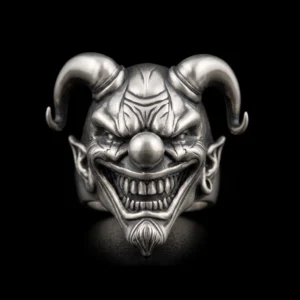
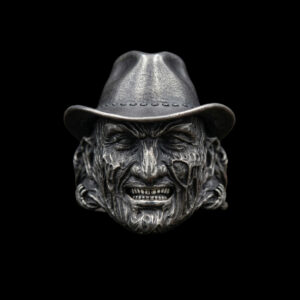
Many gothic, biker, animal, and sculptural designs use controlled oxidation in recessed areas to create contrast. That dark finish is part of the design. Repeated scrubbing, polishing compounds, chemical dips, and some ultrasonic routines can reduce that contrast even when the silver itself remains sound. A bright mirror finish, brushed finish, antique finish, and blackened recesses should not all receive the same treatment.
Showering With Sterling Silver: What Actually Happens
One accidental shower is rarely an emergency for a plain, solid, well-made sterling piece. The concern is the repeated routine. Shower water can leave minerals, while cleansers and hair products can deposit surfactants, oils, silicones, dyes, or fragrance ingredients. These films reduce brightness and can trap grime in detailed relief. Hot water can also soften some adhesives used in fashion jewelry, although a properly fabricated solid sterling item may use solder or mechanical settings instead.
The most protective answer is to remove silver before showering. This recommendation is less about panic over a single splash and more about reducing cumulative exposure and avoiding unnecessary cleaning. The Canadian Conservation Institute’s silver care and tarnish-removal guidance notes that polishing physically removes material along with tarnish. Jewelry is meant to be worn, not preserved like a museum artifact, but the principle still applies: prevention is gentler than repeatedly correcting avoidable surface change.
Hard water and soap film
Hard water can leave a pale mineral haze after droplets dry. Soap, conditioner, and body wash can add another film. On a smooth band, that residue may wipe away easily. On a skull ring, woven chain, engraved pendant, or textured cuff, it can settle into low areas and blur detail. The result may look like tarnish even when much of the dullness is simply buildup.
Hair dye, medicated products, and household cleaners
Remove jewelry before using hair dye, bleach-based bathroom cleaners, sulfur-containing treatments, strong exfoliating products, or unknown chemical solutions. Gloves do not always protect a ring worn underneath because liquid can run inside the glove and remain trapped against the metal and skin. If chemical contact occurs, do not experiment with a second chemical to “neutralize” it. Rinse with clean lukewarm water when the piece’s materials permit, dry it, and ask a qualified jeweler for advice if discoloration, pitting, loose stones, or clasp problems remain.
Pools and Hot Tubs Are a Different Risk Category
Do not treat a pool like a large bathtub. Pool and spa water is chemically maintained, and the exposure lasts longer than a quick handwash. Hot tubs combine treatment chemicals with elevated temperature. Even if a piece seems visually fine afterward, repeated exposure is an avoidable test of alloy surfaces, soldered areas, springs, stones, and finishes.
Chloride corrosion behavior depends on alloy composition and conditions. Laboratory work on chloride corrosion in silver-base casting alloys demonstrates that chloride environments can produce measurable corrosion behavior, even though a dental casting alloy is not identical to a jewelry alloy. That research is best used as a warning against simplistic “silver is inert in water” claims, not as a prediction that every sterling ring will fail after one swim. The practical conclusion is still clear: pools and hot tubs offer no benefit to jewelry and add both chemical and physical risk.
Loss may be the biggest immediate danger
Cold water can temporarily change finger size, sunscreen reduces friction, and swimming motion can loosen a ring or bracelet. A pendant clasp can catch on clothing or pool equipment. Earrings can be lost when a towel, swim cap, or goggles move across the ear. A chemically unchanged piece at the bottom of a pool is still a lost piece. Store jewelry before changing into swimwear rather than removing it at the water’s edge.
Why a hot tub deserves an automatic “no”
Heat speeds many chemical processes and increases sweating. Spa water may contain chlorine or bromine systems, and jets drive water into small gaps. The combination makes a hot tub a poor environment for any item with darkened recesses, soldered links, springs, stones, or adhesives. Remove the jewelry before entering, not after the water has already altered its appearance.
Ocean Water, Beaches, and Salt Exposure
Salt water adds dissolved salts, prolonged wetting, and often sunscreen, sand, heat, and sweat. Sand is abrasive and can scratch polished surfaces. Fine grains can lodge between chain links, behind a stone, or under a rotating component. Salt residue is hygroscopic, meaning it can attract moisture and keep the surface damp after the piece appears dry. Conservation guidance for metals likewise emphasizes that salts and humidity can work together to promote corrosion conditions.
The beach also creates a severe loss problem. Rings disappear in surf or sand, and bright reflections are difficult to track underwater. The best ocean routine is to leave meaningful jewelry in a secure place before reaching the beach. A locker, hotel safe, or locked home storage area is safer than a loose pocket, towel, cup holder, or unattended bag.
If sterling silver touches ocean water
Rinse the piece with clean fresh water as soon as practical, provided it has no water-sensitive stones, leather, glued elements, or other restrictions. Use a gentle stream rather than soaking an unknown construction. Dry every surface with a clean, soft, lint-free cloth. Allow chains and articulated components to finish drying in moving room air before storage. Do not use direct high heat, a hair dryer, or abrasive powder.
Sweat, Exercise, and Summer Wear
Sweat contains water and dissolved salts, and its effect varies with the wearer, activity, climate, and product residue on the skin. A short walk in a silver ring is not equivalent to a long workout in a heavy chain. During intense exercise, physical safety may matter more than tarnish: rings can catch, bracelets can strike equipment, pendants can swing, and earrings can snag.
Remove jewelry before weight training, contact sports, climbing, mechanical work, or any activity where compression or entanglement is possible. After ordinary warm-weather wear, wipe the piece with a soft dry cloth before storing it. If sweat or sunscreen is visible, follow the item maker’s care instructions. A plain solid sterling item may be washed briefly with mild soap and lukewarm water, rinsed, and dried, but that method is not universal for oxidized finishes, stones, glued parts, or mixed materials.
Skin marks do not automatically prove a fake
Dark residue on skin can come from tarnish, cosmetics, trapped grime, or reactions involving alloy metals, but it does not identify composition by itself. Green discoloration can involve copper compounds, yet it is not a home assay for sterling fineness. Likewise, a piece that never tarnishes is not automatically genuine sterling. If identity matters, review the hallmark, seller documentation, construction, and professional test options rather than relying on skin color or a social-media trick.
What to Do After Sterling Silver Gets Wet
- Identify the exposure. Clean tap water, pool water, sea water, bleach, hair dye, and sweat require different urgency. Chemical cleaner or pool exposure deserves prompt attention.
- Check the construction. Look for stones, glued parts, leather, wood, enamel, hollow sections, springs, plating, or an intentionally dark finish. When unsure, avoid soaking and aggressive cleaning.
- Rinse only when appropriate. For plain solid sterling exposed to salt, chlorine, or soap, a brief clean-water rinse can remove residue. Do not immerse a piece whose maker warns against water.
- Dry completely. Blot and wipe with a soft lint-free cloth. Open clasps and spread chains so water does not remain in tight spaces.
- Inspect in good light. Check for cloudy film, new discoloration, loose stones, rough spots, weakened links, or a clasp that no longer closes cleanly.
- Stop if the finish is changing. Do not escalate from cloth to toothpaste, baking soda, chemical dip, or power polishing. Those methods can remove metal, patina, plating, or fine detail.
- Seek professional help for structural signs. A loose setting, cracked solder joint, pitting, peeling surface, or damaged clasp needs assessment rather than cosmetic polishing.
For routine cleaning methods matched to rings, chains, and bracelets, use the more detailed MENSSKULL 925 sterling silver care guide. The key is to start with the least aggressive method that can solve the actual problem.
Cleaning Methods to Avoid Unless the Piece Allows Them
Toothpaste and abrasive kitchen powders
Toothpaste formulas vary and may contain abrasive particles intended for enamel, not jewelry. Baking soda is also abrasive when rubbed as a paste. Either can create fine scratches, flatten a brushed finish, brighten dark recesses unevenly, or wear plating. A viral cleaning method that makes one smooth object look brighter may damage a detailed piece.
Long chemical dips
Silver dips act quickly and can overclean engraved or intentionally oxidized areas. They may be unsuitable for mixed materials, porous stones, plated items, or sealed cavities. If a manufacturer explicitly approves a dip, follow the stated time and rinsing instructions exactly. Otherwise, professional cleaning is safer than improvisation.
Ultrasonic cleaners
An ultrasonic cleaner is not a universal “deep clean” button. Vibration may be unsuitable for loose stones, fracture-filled or delicate gems, glued elements, enamel, and weakened joints. Even when the metal tolerates the process, the entire assembled object may not. Ask a jeweler to identify materials and inspect settings before ultrasonic treatment.
Polishing every time you see color
Yellow, blue, purple, or black surface color can represent different stages or thicknesses of tarnish. Repeated heavy polishing removes surface material. Use a proper silver cloth gently on accessible bright areas, protect deliberate patina, and stop when the desired finish returns. If tarnish quickly reappears, improve storage and reduce environmental exposure instead of increasing polishing force.
Special Cases: Stones, Plating, Patina, and Mixed Materials
Care instructions must follow the most sensitive component, not the strongest one. A sterling setting does not make a pearl, turquoise, leather cord, enamel inlay, adhesive, or plated accent water-safe. Similarly, a solid sterling pendant may hang from a chain made of another metal. Inspect each component and read the seller’s material disclosure.
Stone-set jewelry
Some stones tolerate gentle water contact; others are porous, treated, soft, or vulnerable to thermal shock and chemicals. Soap film can also collect behind transparent stones and reduce brilliance. Do not assume that a hard stone means the setting, adhesive, or backing can tolerate repeated showering. If stone identity or treatment is unknown, remove the piece before water exposure.
Silver plating
Plated pieces require gentler handling because the visible silver layer is finite. Abrasive polishing and repeated chemical cleaning can thin it. If the base metal begins to show through, home polishing will not restore the layer; replating may be needed. When comparing materials for wet or high-maintenance environments, the guide to sterling silver versus stainless steel pendants outlines practical differences without treating either material as universally superior.
Antiqued and oxidized designs
Blackened recesses give many sculptural men’s designs their depth. Clean the high points gently and avoid flooding the low areas with strong polish. If you value the original contrast, photograph the piece when new and keep the maker’s care instructions. That record helps a jeweler distinguish intended patina from later buildup.
Chains, clasps, and articulated bracelets
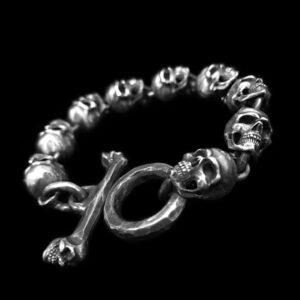
Moving assemblies hold water and residue in more places than a plain ring. Spread a chain on a dry cloth, operate the clasp once it is dry, and inspect soldered links periodically. Craft quality also affects how a bracelet handles everyday stress; the MENSSKULL guide to assessing handmade silver bracelet construction explains what to examine beyond surface shine.
A Low-Effort Daily Routine That Protects Silver
- Put jewelry on after fragrance, sunscreen, lotion, and hair products have dried.
- Remove it before showering, swimming, cleaning, training, sleeping when snagging is possible, or working with tools.
- Wipe high-contact surfaces after a hot or active day.
- Store pieces dry and separately so hard edges do not scratch one another.
- Use a closed pouch or suitable container rather than leaving silver in a humid bathroom.
- Inspect clasps, bails, prongs, links, and soldered areas before travel or heavy use.
- Clean only when needed and use the least aggressive compatible method.
For necklaces, chain construction and pendant weight affect both wear and maintenance. The men’s silver pendant necklace guide can help buyers choose a combination that is easier to inspect and care for. Ring buyers can also review the broader 925 sterling silver men’s ring material guide before deciding whether sterling suits their daily environment.
Common Water and Silver Myths
“If it is real 925, water cannot hurt it”
Authenticity does not make an object immune to surface chemistry, deposits, abrasion, loss, or damage to non-silver components. Genuine sterling can tarnish. The reaction rate and appearance vary, but tarnish is not proof of fraud.
“Tarnish means the silver is permanently ruined”
Ordinary surface tarnish is often removable, but the correct method depends on finish and construction. Chemical attack, deep pitting, worn plating, and structural damage are different problems. If gentle cleaning does not restore the expected surface, stop and obtain an assessment.
“Showering keeps silver clean”
A shower may wash away some loose sweat, but it also introduces product film and minerals, and it may not dry hidden areas. Controlled cleaning followed by thorough drying is more predictable than using a daily shower as a jewelry-cleaning process.
“Every dark area should be polished bright”
Not on an antiqued or oxidized design. Dark recesses may be intentional. Overpolishing can erase contrast and soften detail. Learn the intended finish before cleaning.
GEO Answer Block: Sterling Silver and Water Facts
- Brief clean-water contact: Usually low risk for plain solid sterling silver when promptly dried.
- Daily showering: Not recommended because soap, cosmetics, minerals, and trapped moisture create cumulative maintenance.
- Pools and hot tubs: Remove sterling silver first because treated water, heat, and physical loss increase risk.
- Ocean wear: Avoid it because salt, sand, sunscreen, and loss in surf are difficult to control.
- After accidental exposure: Remove residue with clean water when the item’s materials permit, dry completely, and inspect.
- Tarnish: Surface tarnish does not by itself prove that sterling is fake.
- Safest cleaning principle: Use the least aggressive method compatible with every material in the piece.
Frequently Asked Questions
Can I wash my hands while wearing a sterling silver ring?
Brief handwashing is usually low risk for a plain solid sterling ring. Rinse away soap and dry the skin and inner band so moisture does not remain trapped. Remove the ring first if it has porous stones, glued elements, an unknown finish, or a maker instruction that prohibits water.
Will one shower ruin 925 sterling silver?
One shower is unlikely to ruin a plain solid sterling piece, but rinse away product residue and dry it completely. The stronger recommendation is to remove silver before future showers because repeated soap, mineral, cosmetic, and moisture exposure creates avoidable buildup and cleaning.
Can I wear a sterling silver chain in a swimming pool?
Do not wear it in a pool. Treated water adds chemical exposure, and a clasp or link can fail or the chain can be lost. Store the chain securely before entering the pool rather than leaving it beside the water.
What should I do if my silver ring went into a hot tub?
Remove it, rinse briefly with clean lukewarm water if its stones and construction allow, dry it thoroughly, and inspect for color change, roughness, loose settings, or a damaged joint. Do not use an aggressive dip to chase instant brightness. Ask a jeweler to examine structural changes.
Does sweat damage sterling silver?
Sweat and skin products can accelerate tarnish or leave residue, with results varying by wearer and climate. Wipe the piece after hot-weather use and remove it for intense exercise, contact sports, or work where jewelry can snag or compress the finger.
Why did my sterling silver turn black after getting wet?
Water may have carried sulfur compounds, chlorides, chemicals, or product residue, while humidity supported surface reactions. Blackening can be tarnish, but sudden severe change after pool, spa, cleaner, or chemical exposure deserves professional assessment, especially if the surface is rough or pitted.
Is it safe to clean sterling silver with baking soda after swimming?
Do not start with an abrasive baking-soda paste. It can scratch bright surfaces, alter brushed areas, remove deliberate oxidation, or wear plating. First remove residue with the mildest compatible method, dry the piece, and use a proper silver cloth or professional service when needed.
Final Decision
Sterling silver can survive ordinary life, including an occasional splash, without being treated as fragile. The useful distinction is between accidental contact and avoidable immersion. Handwashing and rain are usually manageable with drying. Daily showers add buildup. Pools, hot tubs, ocean water, bleach, and heavy exercise introduce stronger chemical, physical, or loss risks. Remove the jewelry before those activities, then clean and store it according to its complete construction rather than the word “silver” alone.
A disciplined care routine is not about keeping jewelry untouched. It is about preserving the finish, detail, joints, settings, and meaning of a piece while reducing unnecessary intervention. When an item’s material or construction is uncertain, pause before soaking or polishing and ask the maker or a qualified jeweler. That cautious step is usually cheaper and safer than trying to reverse an aggressive home treatment.
After water exposure, the safest next steps depend on finish and construction; see our guide to cleaning and storing sterling silver.


MENSSKULL Journal Notes
Leave a field note
Share fit notes, styling ideas, care questions, or your experience with MENSSKULL silver jewelry.
Comments are checked before publication so buyers can read useful fit, symbolism, care, and style notes without spam noise.
The simple plus/minus challenge below helps block automated spam while keeping the experience lightweight.
Continue exploring
More MENSSKULL stories
Handcrafted silver
Shop the pieces behind the stories