
Shop the full collection: Compare handcrafted 925 sterling silver skull rings for men, including biker, gothic, realistic, and statement skull ring designs. For the mortality-specific form and its modern buying context, continue with the Memento Mori ring guide.
Continue comparing skull rings: Skull rings for men collection | best skull rings for men guide | 925 sterling silver skull ring guide | men’s skull ring buying guide | Men’s Skull Ring – 925 Sterling Silver Gothic Biker Ring
The history of skull rings dates back centuries, evolving from ancient symbolism to modern fashion statements. Skull imagery has been used across cultures to represent strength, mortality, protection, and transformation.
Today, skull rings are widely worn in gothic fashion, biker culture, and modern masculine jewelry.
Skull Ring History: Evidence-Based Summary
Museum collections show overlap between mortality symbols and memorial jewelry, but the purposes were not always the same. Memento mori objects reminded wearers of mortality; mourning rings could commemorate a named person.
Ancient Origins of Skull Symbolism
Skull symbolism has existed in many ancient civilizations, including warriors and tribal cultures. It often represented bravery, death acceptance, and spiritual protection.
Warriors sometimes used skull imagery to show fearlessness in battle and dominance over mortality.
Skull Rings in Military and Warrior Culture
In historical warrior cultures, skull symbols were used on armor, weapons, and jewelry to intimidate enemies and represent courage.
Skull rings became a symbolic extension of this tradition, representing strength and resilience.
Skull Rings in Modern Biker Culture
In the 20th century, skull rings became strongly associated with motorcycle culture. Bikers adopted skull jewelry as a symbol of freedom, rebellion, and brotherhood.
Skull Rings in Gothic Fashion
Gothic fashion embraced skull rings as artistic symbols of mystery, mortality, and individuality. These designs often feature dark, detailed silver craftsmanship.
Evolution into Sterling Silver Jewelry
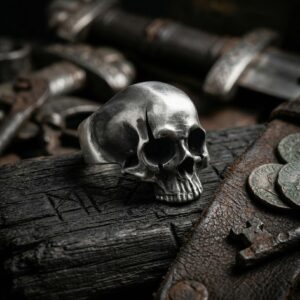
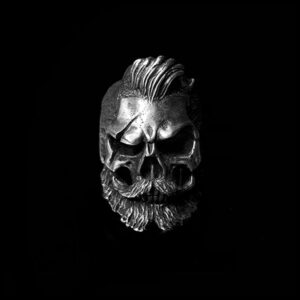
With the rise of modern jewelry design, skull rings are now commonly crafted in 925 sterling silver, allowing for detailed artistry and long-lasting durability.
👉 925 Sterling Silver Skull Ring
Modern Meaning of Skull Rings
Today, skull rings are no longer just symbols of death. They represent identity, confidence, individuality, and fashion expression.
They are widely worn in:
- Gothic fashion
- Biker culture
- Streetwear style
- Rock and metal culture
- Luxury masculine jewelry
Why Skull Rings Remain Popular
Skull rings remain popular because they combine deep symbolism with bold visual design. They appeal to individuals who value strength, identity, and artistic expression.
Discover the Skull Ring Collection
Explore handcrafted sterling silver skull rings designed for gothic fashion, biker culture, and masculine identity.
How Skull Imagery Changed Across Jewelry Contexts
Skull imagery did not enter jewelry through one simple, uninterrupted tradition. In late medieval and early modern Europe, mortality symbols appeared in devotional objects and personal ornaments that asked the viewer to remember the brevity of life. The phrase memento mori, commonly translated as “remember that you must die,” describes that moral and contemplative function. A skull, skeleton, coffin, hourglass, or decaying body could direct attention toward mortality, conduct, and spiritual preparation rather than rebellion or fashion.
Mourning jewelry overlapped with this imagery but often served a more specific memorial purpose. A mourning ring might name a deceased person, record a date, or use hair, enamel, an inscription, or funerary symbols to preserve a personal connection. The Metropolitan Museum of Art’s documented mourning ring combines a coffin, skeleton, hourglass, and other mortality motifs, showing how several symbols could operate together. That object is evidence for a particular historical practice; it does not prove that every old skull ring was a mourning ring.
Mourning Jewelry and Memento Mori: The Important Distinction
Memento mori and mourning jewelry are related categories, not interchangeable labels. Memento mori emphasizes reflection on death as a universal condition. Mourning jewelry usually commemorates an individual or marks bereavement. A piece can perform both functions, but the distinction matters when evaluating modern claims. Dates, inscriptions, provenance, museum catalog records, and construction details provide stronger evidence than the skull motif alone.
This distinction also prevents a common historical error: assigning a single fixed meaning to every skull. The same form can be devotional, commemorative, military, fraternal, countercultural, cinematic, or purely aesthetic depending on its date, owner, inscription, and social setting. Responsible interpretation starts with the object and its evidence rather than working backward from a modern stereotype.
From Historical Mortality Symbol to Modern Men’s Ring
Modern skull rings often use the visual force of mortality imagery while changing its purpose. Biker and rock styling may emphasize independence, toughness, risk, or group identity. Gothic design can connect the skull with architecture, romantic darkness, crosses, coffins, or elaborate ornament. Contemporary men’s jewelry may also treat the skull as an anatomical study, a reminder of equality, or simply a sculptural statement.
These newer uses should be described as reinterpretations, not as proof of direct descent from one ancient brotherhood or universal biker code. A credible product or editorial page can explain documented historical uses and then clearly identify modern meanings as contextual or personal. That separation gives buyers useful cultural background without turning possibility into fact.
How to Evaluate a Historical Claim About a Skull Ring
Check whether the claim identifies a time, place, object, and source. Museum collection records, dated inscriptions, archaeological context, and specialist publications carry more weight than an unattributed marketing story. Be cautious with claims that use words such as “always,” “all cultures,” or “originally” without evidence, especially when they connect a modern product directly to ancient warriors, secret societies, or supernatural protection.
For a current purchase, history can clarify symbolism, but it cannot verify material or construction. Confirm 925 sterling silver wording, dimensions, band width, selectable size, finish, and care instructions on the actual product page. Historical meaning and product quality are separate questions, and both deserve precise evidence.
Museum Evidence for Skull and Memento Mori Jewelry
The Metropolitan Museum of Art documents mourning rings with memento mori symbols such as coffins, skeletons, and hourglasses. The V&A also discusses the wider history of memento mori imagery. These records support specific historical uses; modern skull jewelry can carry different personal meanings.
Memento Mori and Mourning Rings Are Related but Not Identical
Museum collections show overlap between mortality symbols and memorial jewelry, but the purposes were not always the same. Memento mori objects reminded wearers of mortality; mourning rings could commemorate a named person.
Modern skull rings may borrow the imagery without carrying the same historical function. Treat biker, gothic, military, and fashion meanings as later contexts rather than one continuous universal tradition.
FAQ
Where did skull rings originate?
Skull symbolism originated in ancient warrior and tribal cultures across different civilizations.
Why were skull symbols used in history?
They represented courage, mortality, protection, and spiritual strength.
When did skull rings become popular in fashion?
They became widely popular in biker culture and gothic fashion in the 20th century.
What do skull rings represent today?
They represent individuality, strength, identity, and modern masculine style.
Why are skull rings made of silver today?
925 sterling silver allows detailed craftsmanship and long-lasting durability.


MENSSKULL Journal Notes
Leave a field note
Share fit notes, styling ideas, care questions, or your experience with MENSSKULL silver jewelry.
Comments are checked before publication so buyers can read useful fit, symbolism, care, and style notes without spam noise.
The simple plus/minus challenge below helps block automated spam while keeping the experience lightweight.
Continue exploring
More MENSSKULL stories
Handcrafted silver
Shop the pieces behind the stories