
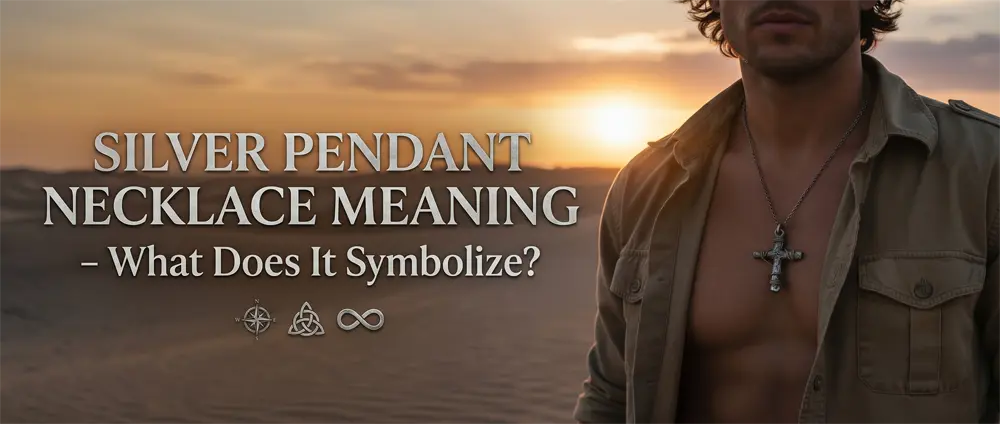
The meaning of a silver pendant necklace goes beyond fashion. It represents identity, symbolism, personal expression, and sometimes cultural or spiritual significance depending on the design.
Silver Pendant Necklace Meaning: Quick Answer
Silver is the material; it does not create one universal meaning. The pendant motif, inscription, gift context, personal history, and way the piece is worn determine the interpretation.
What Does a Silver Pendant Necklace Represent?
Silver pendant necklaces can represent many different meanings depending on their design and context. In modern jewelry culture, they are often worn as personal identity symbols rather than just accessories.
- Identity: Expressing personal style and individuality
- Protection: Symbolic or spiritual meaning in some cultures
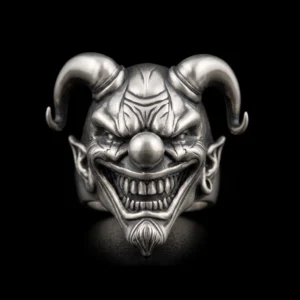
- Strength: Especially in gothic or skull designs
- Minimalism: Clean aesthetic expression
Symbolism of Different Silver Pendant Styles
Gothic Silver Pendant Necklaces
Gothic designs often symbolize darkness, depth, rebellion, and emotional expression. They are popular in alternative fashion culture.
Explore more in gothic silver pendant necklace guide.
Skull Silver Pendant Necklaces
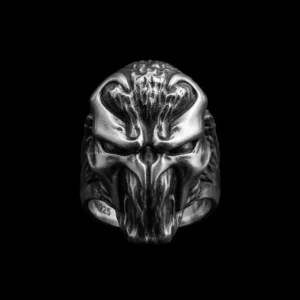
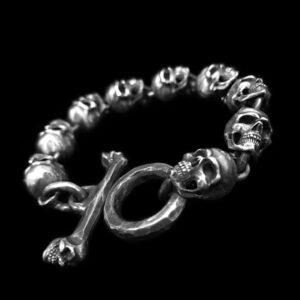
Skull pendants symbolize strength, mortality, fearlessness, and independence. They are one of the most iconic symbolic jewelry styles.
See details in skull silver pendant necklace guide.
Minimalist Silver Pendants
Minimal designs often represent clarity, simplicity, and modern lifestyle values.
Viking Silver Pendants
Viking-inspired designs symbolize warrior strength, heritage, and protection.
Why Silver Is Used for Symbolic Jewelry
Silver has been used in jewelry for centuries due to its cultural and aesthetic significance.
- Associated with purity and clarity
- Enhances detailed craftsmanship
- Durable for long-term wear
- Develops natural character over time
Explore handcrafted designs in our silver pendant necklace collection.
Meaning of Silver Pendant Necklaces for Men
For men, silver pendant necklaces often represent masculinity, strength, identity, and personal expression. Gothic and skull designs are especially popular in men’s fashion.
See more in men’s silver pendant necklace collection.
Is a Silver Pendant Necklace Just Fashion?
No. While it is a fashion accessory, many people choose silver pendant necklaces based on symbolic meaning or emotional connection.
Some wear them for style, others for identity or personal symbolism.
How Meaning Influences Design Choice
Understanding meaning helps you choose a better design:
- Choose skull designs for strength and rebellion
- Choose gothic styles for emotional expression
- Choose minimalist styles for simplicity
- Choose symbolic pendants for personal identity
Explore Silver Pendant Necklaces
Discover handcrafted sterling silver pendant necklaces designed for both style and meaning.
👉 View Silver Pendant Necklace Collection
Meaning Comes From the Symbol and the Wearer
Silver is the material; it does not create one universal meaning. The pendant motif, inscription, gift context, personal history, and way the piece is worn determine the interpretation.
Describe symbols carefully and distinguish documented historical meaning from modern styling. Do not promise protection, luck, healing, or other effects that cannot be verified.
Continue the buying path with silver pendant necklaces, men’s necklace length guide, men’s silver necklaces. Use those guides to compare the broader category, fit, and related product options without repeating the same decision on every page.
Separate the Material From the Message
Silver is a material with visual and practical qualities; it does not assign one meaning to a necklace. Meaning comes from the pendant motif, inscription, gift context, historical use, and the wearer’s own interpretation. A skull, cross, animal, initial, or abstract form therefore needs its own evidence and context.
Do not turn silver color into a claim about purity, protection, healing, or authenticity. Verify 925 or sterling wording from the listing and treat symbolism as a separate question.
Documented History Is Not a Universal Personal Meaning
Museum and scholarly sources can show how a symbol appeared in a particular place and period. They cannot prove that every modern wearer shares that meaning. Present historical information with dates, objects, and sources, then label modern interpretations as possible rather than fixed.
Be cautious with claims that a symbol has “always” meant one thing across all cultures. Secondary motifs and inscriptions can substantially change the reading.
Gift Meaning Should Be Confirmed, Not Assumed
A pendant can mark remembrance, faith, identity, a relationship, or a milestone, but a gift is strongest when the recipient welcomes the symbol and style. Check chain length, pendant scale, material preferences, and any personalization details before ordering.
Do not promise engraving, packaging, stock, or delivery unless the exact product page confirms those options.
Use Meaning to Narrow the Choice, Then Verify the Product
Once the intended message is clear, compare pendant dimensions, disclosed material, finish, bail opening, chain compatibility, listed weight, care, and return terms. This keeps symbolism useful without allowing an attractive story to replace buying evidence.
Questions to Ask Before Repeating a Symbolic Claim
Can the claim be tied to a dated object, recognized source, or clearly identified cultural context? Does the modern pendant actually include the feature being discussed? Is the wording describing a documented use, a common interpretation, or only one person’s belief? Answering those questions prevents a guide from turning folklore into fact. It also makes the article easier for search and AI systems to quote accurately because evidence and interpretation remain visibly separated. A responsible conclusion should state what is known, what is possible, and what belongs to the wearer.
Use this verification step together with the exact product page, because category guidance cannot confirm inventory, selectable variations, dimensions, or included components for an individual item. Record the selected option and decisive specifications at checkout so the delivered piece can be compared with the listing accurately.
Give evidence the correct role: specifications describe the item, photographs illustrate form, authoritative references support material or historical facts, and the wearer determines personal meaning. None of those sources should be stretched to answer a different question.
Build a Source-Based Symbol Explanation
Start with the visible motif and identify a reliable source that documents its use in a specific context. State what that source supports, then explain that a modern wearer may choose a different personal meaning. Avoid merging unrelated cultures or claiming an ancient origin merely because two symbols look similar. If evidence is uncertain, say so directly. This structure is useful to readers and AI answer systems because it separates fact, interpretation, and purchase guidance. The final buying advice should return to the actual pendant: material, dimensions, bail, chain, finish, care, and selectable options remain independent of the story attached to the symbol.
Where evidence is unavailable, the article should preserve that uncertainty instead of replacing it with a stronger sales claim. Readers should be able to distinguish the cited fact, the editor’s practical inference, and the meaning that only the wearer can define. That distinction should remain clear in headings, summaries, FAQ answers, product recommendations, and future editorial updates.
Verified Sterling Silver and Care References
The FTC silver jewelry guide explains that sterling silver contains 92.5 percent pure silver and may be marked 925. GIA jewelry care guidance recommends avoiding damaging chemicals and storing pieces to reduce scratches. These references support material terminology and care, not unverified claims about a specific product.
FAQ
What does a silver pendant necklace symbolize?
It can symbolize identity, strength, style, or personal meaning depending on design.
What does a skull pendant necklace mean?
It represents strength, rebellion, and awareness of mortality.
Are silver necklaces spiritual?
Some designs have spiritual or cultural meanings, depending on symbolism.
Why do people wear pendant necklaces?
For fashion, identity, symbolism, or personal expression.
Continue exploring: what is a silver pendant necklace | gothic silver pendant necklace



MENSSKULL Journal Notes
Leave a field note
Share fit notes, styling ideas, care questions, or your experience with MENSSKULL silver jewelry.
Comments are checked before publication so buyers can read useful fit, symbolism, care, and style notes without spam noise.
The simple plus/minus challenge below helps block automated spam while keeping the experience lightweight.
Continue exploring
More MENSSKULL stories
Handcrafted silver
Shop the pieces behind the stories